
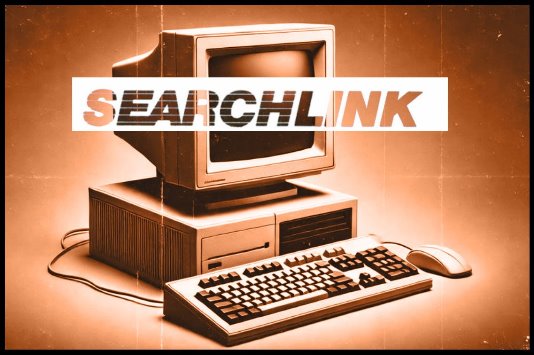
Google-ul anilor ’80: costuri mari pentru căutare online.

Google-ul anilor '80: costuri mari pentru căutare online.

În anul 2025, în plină eră a Internetului, majoritatea dintre noi folosim Google pentru a căuta informații specifice. Scriem cuvintele-cheie în bara de căutare și în câteva secunde obținem o mulțime de rezultate relevante. Dar cum funcționau motoarele de căutare în anii 1980, când Internetul a început să se dezvolte? În acea perioadă, exista o formă primitivă de căutare online, dar era un proces greoi și extrem de Scump.

Un exemplu de serviciu de căutare online din anii 1980 este „Searchlink”, oferit în Statele Unite de revista de calculatoare „Computerworld”. Am găsit o mențiune despre acest serviciu într-un număr al revistei din 1987. „Searchlink” permitea utilizatorilor să se conecteze la mai mulți vânzători de baze de date din diferite domenii, cum ar fi finanțe, afaceri, juridic și tehnologic. Aceste baze de date erau disponibile online și puteau fi accesate prin intermediul unui calculator și a unui modem.

Exemple de baze de date disponibile în 1987 includ ABI/INFORM pentru afaceri și management, Chemical Abstracts pentru articole chimice, Donnelley Demographics pentru informații demografice din SUA, ERIC pentru domeniul educațional și TRINET pentru informații despre companii americane. „Searchlink” nu era un serviciu de abonament, ci puteai accesa bazele de date plătind în funcție de utilizare. Pentru o simplă căutare în bazele de date online, utilizatorii trebuiau să plătească 7,99 de dolari, plus 0,25 de cenți pe minut și 2 dolari pentru fiecare articol accesat.

Comparativ cu zilele noastre, în care avem acces gratuit la o mulțime de informații online, costurile pentru căutările online în anii 1980 erau imense. Dacă astăzi am fi taxați pentru fiecare căutare pe Internet, ar trebui să cheltuim sume considerabile în fiecare zi pentru a ne informa. Este interesant să vedem cum s-a dezvoltat tehnologia și cum am ajuns să avem acces la informații gratuite într-un mod atât de iute și eficient.

În concluzie, în anii 1980, când Internetul era în stadiul său incipient, servicii precum „Searchlink” ofereau posibilitatea utilizatorilor de a căuta informații în baze de date online. Cu toate acestea, costurile erau foarte mari în comparație cu zilele noastre, în care avem acces gratuit la o mulțime de informații online. Evoluția tehnologiei ne-a adus beneficii enorme în ceea ce privește accesul la informații, facilitându-ne căutările și economisindu-ne timp și bani.

Vino și explorează conținutul generat de inteligența artificială pe dbnews.ro și lasă-te uimit de potențialul acestei tehnologii. Este viitorul conținutului, disponibil chiar acum la un click distanță!

Lasă un răspuns

Adresa ta de email nu va fi publicată. Câmpurile obligatorii sunt marcate cu *

We use cookies to personalise content and ads, to provide social media features and to analyse our traffic. We also share information about your use of our site with our social media, advertising and analytics partners. View more
Cookies settings
Accept
Decline
Privacy & Cookie policy
Privacy & Cookies policy
Cookie name Active

Who we are

Suggested text: Our website address is: http://1db.ro.

Comments

Suggested text: When visitors leave comments on the site we collect the data shown in the comments form, and also the visitor’s IP address and browser user agent string to help spam detection. An anonymized string created from your email address (also called a hash) may be provided to the Gravatar service to see if you are using it. The Gravatar service privacy policy is available here: https://automattic.com/privacy/. After approval of your comment, your profile picture is visible to the public in the context of your comment.

Media

Suggested text: If you upload images to the website, you should avoid uploading images with embedded location data (EXIF GPS) included. Visitors to the website can download and extract any location data from images on the website.

Cookies

Suggested text: If you leave a comment on our site you may opt-in to saving your name, email address and website in cookies. These are for your convenience so that you do not have to fill in your details again when you leave another comment. These cookies will last for one year. If you visit our login page, we will set a temporary cookie to determine if your browser accepts cookies. This cookie contains no personal data and is discarded when you close your browser. When you log in, we will also set up several cookies to save your login information and your screen display choices. Login cookies last for two days, and screen options cookies last for a year. If you select "Remember Me", your login will persist for two weeks. If you log out of your account, the login cookies will be removed. If you edit or publish an article, an additional cookie will be saved in your browser. This cookie includes no personal data and simply indicates the post ID of the article you just edited. It expires after 1 day.

Embedded content from other websites

Suggested text: Articles on this site may include embedded content (e.g. videos, images, articles, etc.). Embedded content from other websites behaves in the exact same way as if the visitor has visited the other website. These websites may collect data about you, use cookies, embed additional third-party tracking, and monitor your interaction with that embedded content, including tracking your interaction with the embedded content if you have an account and are logged in to that website.

Who we share your data with

Suggested text: If you request a password reset, your IP address will be included in the reset email.

How long we retain your data

Suggested text: If you leave a comment, the comment and its metadata are retained indefinitely. This is so we can recognize and approve any follow-up comments automatically instead of holding them in a moderation queue. For users that register on our website (if any), we also store the personal information they provide in their user profile. All users can see, edit, or delete their personal information at any time (except they cannot change their username). Website administrators can also see and edit that information.

What rights you have over your data

Suggested text: If you have an account on this site, or have left comments, you can request to receive an exported file of the personal data we hold about you, including any data you have provided to us. You can also request that we erase any personal data we hold about you. This does not include any data we are obliged to keep for administrative, legal, or security purposes.

Where your data is sent

Suggested text: Visitor comments may be checked through an automated spam detection service.
Save settings
Cookies settings