
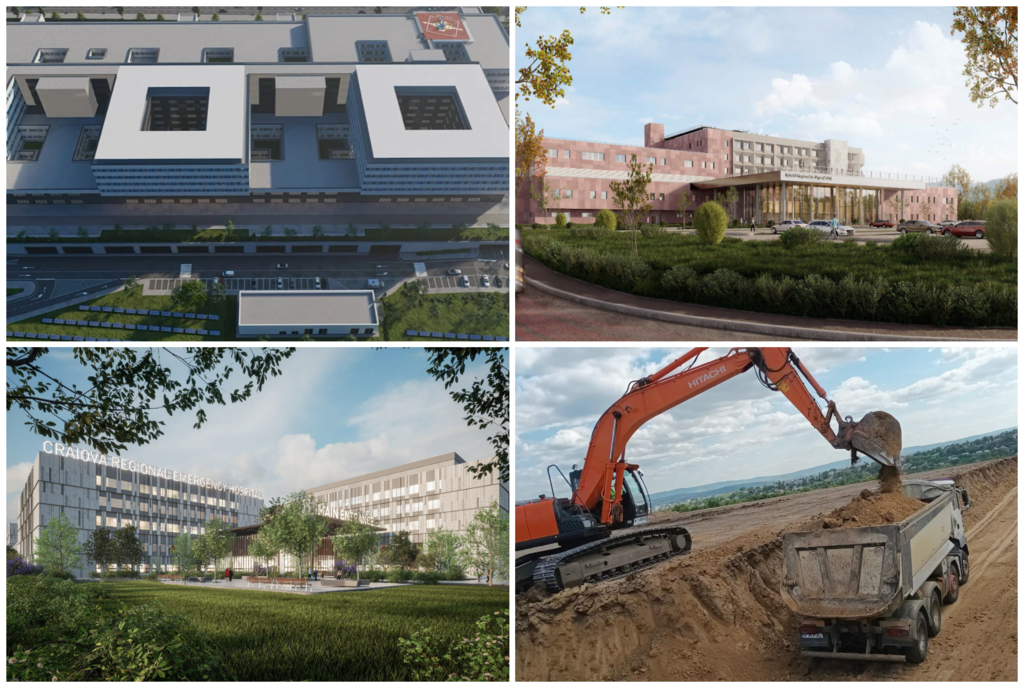
Stadiul spitalelor regionale promise din 2012

Stadiul spitalelor regionale promise din 2012

Promisiunile politicienilor în ceea ce privește construirea spitalelor regionale au fost numeroase, dar realizările au fost puține. De-a lungul anilor, s-au făcut angajamente pentru construirea a opt spitale regionale, cu scopul de a îmbunătăți infrastructura medicală și de a reduce dependența de spitalele din București pentru cazurile complexe. Totuși, în fapt, foarte puține dintre aceste promisiuni s-au concretizat.

Conceptul spitalelor regionale a fost inițiat în 2005, în timpul Guvernului Călin Popescu Tăriceanu, și a fost reluat în 2012 înjos Guvernul Ponta, care a promis construirea a opt spitale în diverse orașe, inclusiv Iași, Cluj și Craiova. După tragedia de la Colectiv din 2015, subiectul a câștigat o atenție suplimentară, iar în 2016, Liviu Dragnea a declarat că aceste spitale vor fi finalizate până în 2020. Însă, până la acea dată, nu au fost realizate nici măcar studiile de fezabilitate.

Cu timpul, planurile s-au schimbat, iar din cele opt spitale promise, doar trei au rămas pe agenda executivului: Iași, Cluj și Craiova. Agenția pentru Dezvoltarea Infrastructurii în Sănătate (ANDIS) coordonează acum aceste proiecte, care sunt descrise de Ministerul Sănătății ca fiind esențiale pentru modernizarea sistemului de sănătate din România.

Spitalul Regional de Urgență din Iași, cu termen de finalizare estimat pentru 2028, va dispune de 850 de paturi, dintre care 101 pentru terapie intensivă. Acesta va deveni principalul furnizor de servicii medicale de nivel terțiar din regiunea nord-est. Lucrările preliminare sunt în curs de finalizare, iar construcția va fi realizată în două etape.

La Cluj, spitalul va avea 849 de paturi și va deservi regiunea de nord-vest a țării. De asemenea, va include un heliport și va fi construit în două etape, cu termen de finalizare tot în 2028.

În Craiova, spitalul va deservi sud-vestul României și va avea o capacitate de 807 paturi. Lucrările preliminare au fost deja finalizate, iar construcția va începe în curând, cu un termen de finalizare estimat pentru 2026.

Spitalele regionale de urgență vor avea un rol crucial în asigurarea îngrijirilor medicale pentru cazurile complexe, având competențe interjudețene și resurse necesare pentru a răspunde nevoilor pacienților. Aceste instituții vor fi organizate pe specialități medicale, având scopul de a oferi servicii de înaltă calitate și de a integra tehnologia modernă în procesul de diagnostic și tratament.

În concluzie, deși promisiunile politice au fost numeroase, realizarea efectivă a acestor spitale regionale rămâne o provocare, iar succesul lor va depinde de implementarea eficientă a proiectelor și de asigurarea resurselor necesare.

Vino și explorează conținutul generat de inteligența artificială pe dbnews.ro și lasă-te uimit de potențialul acestei tehnologii. Este viitorul conținutului, disponibil chiar acum la un click distanță!

Lasă un răspuns

Adresa ta de email nu va fi publicată. Câmpurile obligatorii sunt marcate cu *

We use cookies to personalise content and ads, to provide social media features and to analyse our traffic. We also share information about your use of our site with our social media, advertising and analytics partners. View more
Cookies settings
Accept
Decline
Privacy & Cookie policy
Privacy & Cookies policy
Cookie name Active

Who we are

Suggested text: Our website address is: http://1db.ro.

Comments

Suggested text: When visitors leave comments on the site we collect the data shown in the comments form, and also the visitor’s IP address and browser user agent string to help spam detection. An anonymized string created from your email address (also called a hash) may be provided to the Gravatar service to see if you are using it. The Gravatar service privacy policy is available here: https://automattic.com/privacy/. After approval of your comment, your profile picture is visible to the public in the context of your comment.

Media

Suggested text: If you upload images to the website, you should avoid uploading images with embedded location data (EXIF GPS) included. Visitors to the website can download and extract any location data from images on the website.

Cookies

Suggested text: If you leave a comment on our site you may opt-in to saving your name, email address and website in cookies. These are for your convenience so that you do not have to fill in your details again when you leave another comment. These cookies will last for one year. If you visit our login page, we will set a temporary cookie to determine if your browser accepts cookies. This cookie contains no personal data and is discarded when you close your browser. When you log in, we will also set up several cookies to save your login information and your screen display choices. Login cookies last for two days, and screen options cookies last for a year. If you select "Remember Me", your login will persist for two weeks. If you log out of your account, the login cookies will be removed. If you edit or publish an article, an additional cookie will be saved in your browser. This cookie includes no personal data and simply indicates the post ID of the article you just edited. It expires after 1 day.

Embedded content from other websites

Suggested text: Articles on this site may include embedded content (e.g. videos, images, articles, etc.). Embedded content from other websites behaves in the exact same way as if the visitor has visited the other website. These websites may collect data about you, use cookies, embed additional third-party tracking, and monitor your interaction with that embedded content, including tracking your interaction with the embedded content if you have an account and are logged in to that website.

Who we share your data with

Suggested text: If you request a password reset, your IP address will be included in the reset email.

How long we retain your data

Suggested text: If you leave a comment, the comment and its metadata are retained indefinitely. This is so we can recognize and approve any follow-up comments automatically instead of holding them in a moderation queue. For users that register on our website (if any), we also store the personal information they provide in their user profile. All users can see, edit, or delete their personal information at any time (except they cannot change their username). Website administrators can also see and edit that information.

What rights you have over your data

Suggested text: If you have an account on this site, or have left comments, you can request to receive an exported file of the personal data we hold about you, including any data you have provided to us. You can also request that we erase any personal data we hold about you. This does not include any data we are obliged to keep for administrative, legal, or security purposes.

Where your data is sent

Suggested text: Visitor comments may be checked through an automated spam detection service.
Save settings
Cookies settings