
Diana Șocoacă și steagul UE: detalii VIDEO

Diana Șocoacă și steagul UE: detalii VIDEO

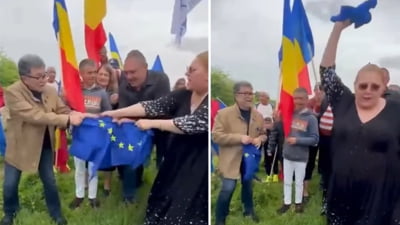
Diana Șoșoacă a stârnit controverse la Mănăstirea Plăviceni, unde a rupt un steag al Uniunii Europene în cadrul unei declarații politice provocatoare. Pe 9 mai 2026, europarlamentara a postat un clip pe pagina sa de Facebook, în care a subliniat semnificația zilei, care coincide cu Ziua Europei și Ziua Independenței României. În descrierea postării, ea a menționat: „Împărțirea sferelor de influență și a polilor de putere”.

În timpul evenimentului, Șoșoacă a exprimat o dorință clară de a revendica o „parte” din Europa, adresându-se susținătorilor săi cu un mesaj încărcat de pasiune: „Eu îmi vreau partea mea din Europa! La mulți ani, români!”. Gestul său de a rupe steagul a fost interpretat ca o manifestare a nemulțumirii față de politica europeană, dar și ca o încercare de a atrage atenția asupra viziunii sale naționaliste.

Înainte de acest incident, Diana Șoșoacă a participat la o recepție organizată de Ambasada Rusiei la București, unde a avut discuții cu ambasadorul rus, Vladimir Lipaev. Potrivit unui comunicat al Partidului S.O.S. România, prezența sa la acest eveniment a avut ca scop reafirmarea dialogului diplomatic și a unei politici externe bazate pe respect. În cadrul întâlnirii, ea a solicitat ambasadorului rus să transmită un mesaj oficial poporului român cu ocazia Zilei Victoriei, subliniind contribuția României la încheierea celui de-Al Doilea Război Mondial.

De asemenea, europarlamentara a avut ocazia să se întâlnească și cu ambasadorul Coreei de Nord, Ri Sang Rim, ceea ce a fost prezentat ca parte a unei „deschideri diplomatice totale”. În declarațiile sale, Șoșoacă a afirmat că participarea la recepția de 9 mai este un act de demnitate națională, subliniind că România trebuie să fie un stat care dialoghează de la egal la egal, gol a se considera o colonie.

Aceste acțiuni și declarații reflectă o poziție politică provocatoare și o dorință de a schimba percepția asupra rolului României în contextul internațional, promovând un mesaj de independență și respect în relațiile externe.

Vino și explorează conținutul generat de inteligența artificială pe dbnews.ro și lasă-te uimit de potențialul acestei tehnologii. Este viitorul conținutului, disponibil chiar acum la un click distanță!

0 thoughts on “Diana Șocoacă și steagul UE: detalii VIDEO

  1. Diana Șocoacă a fost subiectul unei discuții interesante, având în vedere asocierea ei cu steagul Uniunii Europene. Este important să ne amintim că simbolurile, cum ar fi steagul UE, reprezintă valori și principii fundamentale, precum unitatea, pacea și cooperarea între statele europene. Detaliile din video pot oferi o perspectivă asupra modului în care Diana Șocoacă interpretează aceste valori și cum se raportează la actualitatea politică. Ar fi interesant să aflăm mai multe despre mesajele pe care le transmite și impactul pe care acestea îl au asupra publicului.

Lasă un răspuns

Adresa ta de email nu va fi publicată. Câmpurile obligatorii sunt marcate cu *

We use cookies to personalise content and ads, to provide social media features and to analyse our traffic. We also share information about your use of our site with our social media, advertising and analytics partners. View more
Cookies settings
Accept
Decline
Privacy & Cookie policy
Privacy & Cookies policy
Cookie name Active

Who we are

Suggested text: Our website address is: http://1db.ro.

Comments

Suggested text: When visitors leave comments on the site we collect the data shown in the comments form, and also the visitor’s IP address and browser user agent string to help spam detection. An anonymized string created from your email address (also called a hash) may be provided to the Gravatar service to see if you are using it. The Gravatar service privacy policy is available here: https://automattic.com/privacy/. After approval of your comment, your profile picture is visible to the public in the context of your comment.

Media

Suggested text: If you upload images to the website, you should avoid uploading images with embedded location data (EXIF GPS) included. Visitors to the website can download and extract any location data from images on the website.

Cookies

Suggested text: If you leave a comment on our site you may opt-in to saving your name, email address and website in cookies. These are for your convenience so that you do not have to fill in your details again when you leave another comment. These cookies will last for one year. If you visit our login page, we will set a temporary cookie to determine if your browser accepts cookies. This cookie contains no personal data and is discarded when you close your browser. When you log in, we will also set up several cookies to save your login information and your screen display choices. Login cookies last for two days, and screen options cookies last for a year. If you select "Remember Me", your login will persist for two weeks. If you log out of your account, the login cookies will be removed. If you edit or publish an article, an additional cookie will be saved in your browser. This cookie includes no personal data and simply indicates the post ID of the article you just edited. It expires after 1 day.

Embedded content from other websites

Suggested text: Articles on this site may include embedded content (e.g. videos, images, articles, etc.). Embedded content from other websites behaves in the exact same way as if the visitor has visited the other website. These websites may collect data about you, use cookies, embed additional third-party tracking, and monitor your interaction with that embedded content, including tracking your interaction with the embedded content if you have an account and are logged in to that website.

Who we share your data with

Suggested text: If you request a password reset, your IP address will be included in the reset email.

How long we retain your data

Suggested text: If you leave a comment, the comment and its metadata are retained indefinitely. This is so we can recognize and approve any follow-up comments automatically instead of holding them in a moderation queue. For users that register on our website (if any), we also store the personal information they provide in their user profile. All users can see, edit, or delete their personal information at any time (except they cannot change their username). Website administrators can also see and edit that information.

What rights you have over your data

Suggested text: If you have an account on this site, or have left comments, you can request to receive an exported file of the personal data we hold about you, including any data you have provided to us. You can also request that we erase any personal data we hold about you. This does not include any data we are obliged to keep for administrative, legal, or security purposes.

Where your data is sent

Suggested text: Visitor comments may be checked through an automated spam detection service.
Save settings
Cookies settings