
„Babele” și „Sfinxul” rămân în Dâmbovița

"Babele" și "Sfinxul" rămân în Dâmbovița

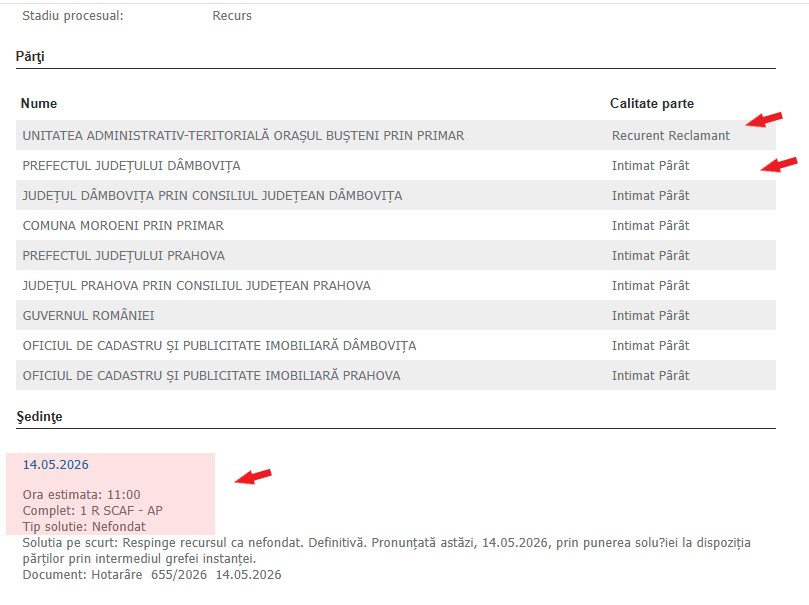
Monumentele naturale de patrimoniu național, cunoscute înjos numele de „Babele” și „Sfinxul”, rămân în județul Dâmbovița, conform unei decizii recente a Curții de Apel Ploiești. Pe 14 mai 2026, instanța a respins recursul formulat de primăria orașului Bușteni din județul Prahova, care contestase o sentință anterioară emisă de Curtea de Apel Pitești în 2022. Această sentință stabilise deja că monumentele naturale aparțin de comuna Moroieni, din Dâmbovița, și nu de Bușteni.

Disputa dintre cele două județe nu este recentă, ci se întinde pe o perioadă mai lungă, fiind alimentată de interese politice și economice. De-a lungul timpului, diverși actori politici au încercat să valorifice această controversă în scopuri electorale, chiar și în 2026, deși nu toate acțiunile lor au avut legătură cu esența litigiului.

Decizia instanței este percepută ca o restabilire a dreptății sociale, având în vedere că apartenența acestor monumente naturale la județul Dâmbovița a fost contestată gol argumente solide. Disputa este considerată artificială, iar miza reală a fost, conform unor surse, legată de interese imobiliare. Există suspiciuni că anumite părți implicate în litigiu au avut în vedere dezvoltarea unor proiecte turistice în zona de protecție naturală, ceea ce ar fi putut duce la construcții necorespunzătoare în acest parc natural.

În concluzie, decizia Curții de Apel Ploiești subliniază importanța protejării patrimoniului natural și a respectării legislației în vigoare. Monumentele „Babele” și „Sfinxul” nu sunt doar simboluri ale frumuseții naturale, ci și repere culturale care trebuie conservate pentru generațiile viitoare. Această hotărâre ar putea descuraja viitoare tentative de contestare a apartenenței acestor monumente, asigurând astfel protecția lor în fața intereselor imobiliare și comerciale.

Vino și explorează conținutul generat de inteligența artificială pe dbnews.ro și lasă-te uimit de potențialul acestei tehnologii. Este viitorul conținutului, disponibil chiar acum la un click distanță!

0 thoughts on “„Babele” și „Sfinxul” rămân în Dâmbovița

  1. „Babele” și „Sfinxul” sunt două dintre cele mai cunoscute formațiuni geologice din România, situate în Masivul Bucegi. Aceste monumente naturale nu doar că atrag turiști din întreaga lume datorită aspectului lor inedit, dar sunt și simboluri ale patrimoniului natural românesc. Decizia de a le păstra în Dâmbovița subliniază importanța conservării acestor valori naturale, care nu doar că îmbogățesc peisajul, dar și cultura locală. Este esențial ca autoritățile și comunitățile să colaboreze pentru a proteja aceste formațiuni de degradare și a promova turismul responsabil, astfel încât generațiile viitoare să se poată bucura de frumusețea și misterul lor.

Lasă un răspuns

Adresa ta de email nu va fi publicată. Câmpurile obligatorii sunt marcate cu *

We use cookies to personalise content and ads, to provide social media features and to analyse our traffic. We also share information about your use of our site with our social media, advertising and analytics partners. View more
Cookies settings
Accept
Decline
Privacy & Cookie policy
Privacy & Cookies policy
Cookie name Active

Who we are

Suggested text: Our website address is: http://1db.ro.

Comments

Suggested text: When visitors leave comments on the site we collect the data shown in the comments form, and also the visitor’s IP address and browser user agent string to help spam detection. An anonymized string created from your email address (also called a hash) may be provided to the Gravatar service to see if you are using it. The Gravatar service privacy policy is available here: https://automattic.com/privacy/. After approval of your comment, your profile picture is visible to the public in the context of your comment.

Media

Suggested text: If you upload images to the website, you should avoid uploading images with embedded location data (EXIF GPS) included. Visitors to the website can download and extract any location data from images on the website.

Cookies

Suggested text: If you leave a comment on our site you may opt-in to saving your name, email address and website in cookies. These are for your convenience so that you do not have to fill in your details again when you leave another comment. These cookies will last for one year. If you visit our login page, we will set a temporary cookie to determine if your browser accepts cookies. This cookie contains no personal data and is discarded when you close your browser. When you log in, we will also set up several cookies to save your login information and your screen display choices. Login cookies last for two days, and screen options cookies last for a year. If you select "Remember Me", your login will persist for two weeks. If you log out of your account, the login cookies will be removed. If you edit or publish an article, an additional cookie will be saved in your browser. This cookie includes no personal data and simply indicates the post ID of the article you just edited. It expires after 1 day.

Embedded content from other websites

Suggested text: Articles on this site may include embedded content (e.g. videos, images, articles, etc.). Embedded content from other websites behaves in the exact same way as if the visitor has visited the other website. These websites may collect data about you, use cookies, embed additional third-party tracking, and monitor your interaction with that embedded content, including tracking your interaction with the embedded content if you have an account and are logged in to that website.

Who we share your data with

Suggested text: If you request a password reset, your IP address will be included in the reset email.

How long we retain your data

Suggested text: If you leave a comment, the comment and its metadata are retained indefinitely. This is so we can recognize and approve any follow-up comments automatically instead of holding them in a moderation queue. For users that register on our website (if any), we also store the personal information they provide in their user profile. All users can see, edit, or delete their personal information at any time (except they cannot change their username). Website administrators can also see and edit that information.

What rights you have over your data

Suggested text: If you have an account on this site, or have left comments, you can request to receive an exported file of the personal data we hold about you, including any data you have provided to us. You can also request that we erase any personal data we hold about you. This does not include any data we are obliged to keep for administrative, legal, or security purposes.

Where your data is sent

Suggested text: Visitor comments may be checked through an automated spam detection service.
Save settings
Cookies settings