
Legea vânzării activelor statului în discuție

Legea vânzării activelor statului în discuție

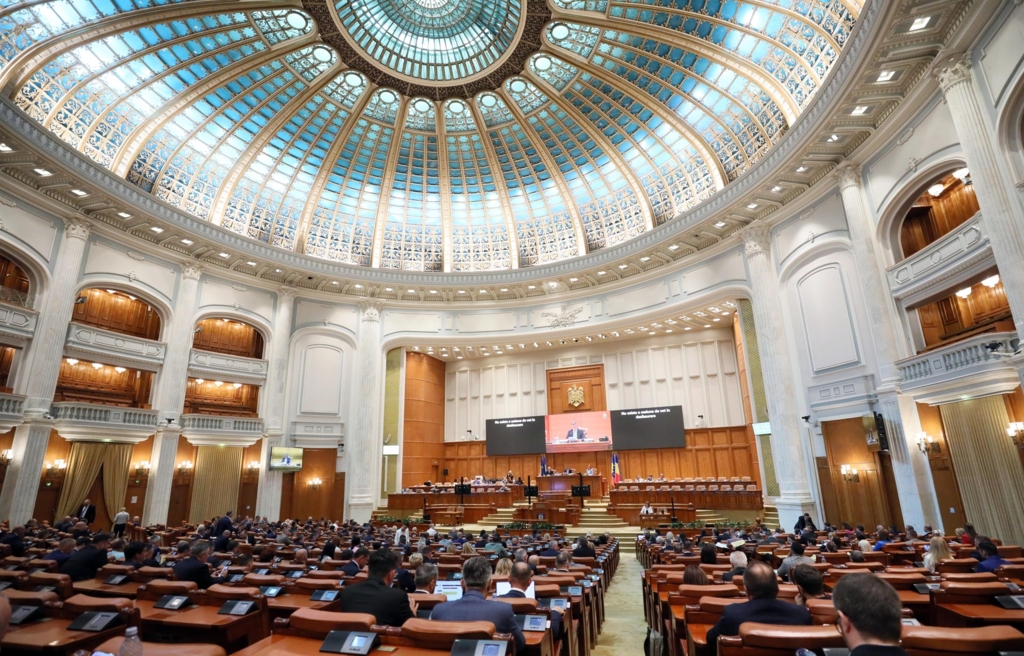
Nou, o inițiativă legislativă propusă de PSD, menită să blocheze cedarea pachetelor de acțiuni ale companiilor de stat, ar putea fi adoptată în următoarele două săptămâni. Senatorul Daniel Zamfir a detaliat conținutul acestui proiect, care a fost generat de o controversă legată de propunerile vicepremierului Oana Gheorghiu, ce viza cedarea acțiunilor prin metoda Accelerated Bookbuilding (ABB). Această situație a dus la ruperea coaliției de guvernare și la demiterea Guvernului Bolojan printr-o moțiune de cenzură inițiată de PSD împreună cu AUR.

Proiectul de lege propus de PSD interzice înstrăinarea acțiunilor deținute de stat în companiile naționale până la 31 decembrie 2027. În data de 4 mai, legea a fost aprobată de Senat și urmează să fie votată în Camera Deputaților, care este for decizional. Zamfir a subliniat că propunerea Guvernului nu reflecta interesele cetățenilor români, ci era, în opinia sa, o manevră de vânzare a unor active esențiale, precum Hidroelectrica, Romgaz și CEC, către fonduri de investiții străine.

Criticile aduse de Zamfir se concentrează pe lipsa de transparență a procesului de vânzare, acuzând oficialii guvernamentali că au comunicat informații false. El a declarat că ideea că acțiunile vor fi disponibile pentru populație este o „minciună sfruntată”. În schimb, purtătorul de cuvânt al Guvernului a susținut că listarea la bursă ar aduce beneficii economice, dar Zamfir a contestat această abordare, afirmând că metoda ABB favorizează doar investitorii instituționali și nu oferă oportunități egale pentru cetățeni.

Pentru a proteja activele statului, PSD a propus o lege care blochează vânzarea acțiunilor timp de doi ani, în contextul unei piețe energetice volatile. Zamfir a subliniat că, în această perioadă, companiile de stat ar putea emite obligațiuni, oferind astfel o alternativă de capitalizare transparentă. Legea a fost deja introdusă în comisiile de vot din Cameră și se așteaptă să fie adoptată Iute.

În concluzie, PSD susține că listarea pe bursă este o opțiune viabilă, dar contestă metoda ABB și momentul ales pentru vânzarea acțiunilor, considerând că o astfel de decizie ar putea avea consecințe negative pe termen extins pentru economia națională.

Vino și explorează conținutul generat de inteligența artificială pe dbnews.ro și lasă-te uimit de potențialul acestei tehnologii. Este viitorul conținutului, disponibil chiar acum la un click distanță!

0 thoughts on “Legea vânzării activelor statului în discuție

  1. Legea vânzării activelor statului este un subiect de mare importanță, având implicații semnificative asupra economiei și bunăstării sociale. Este esențial ca această lege să fie elaborată și implementată cu transparență, pentru a preveni corupția și favoritismul. De asemenea, ar trebui să existe un cadru clar care să asigure că vânzarea activelor se face în interesul public și că resursele obținute sunt utilizate în mod responsabil, pentru a sprijini dezvoltarea infrastructurii, educației sau sănătății. În același timp, este important să se analizeze cu atenție impactul pe termen lung al acestor vânzări asupra economiei naționale și asupra cetățenilor. Dialogul cu societatea civilă și consultarea experților pot contribui la formularea unor reglementări care să protejeze interesele tuturor părților implicate.

Lasă un răspuns

Adresa ta de email nu va fi publicată. Câmpurile obligatorii sunt marcate cu *

We use cookies to personalise content and ads, to provide social media features and to analyse our traffic. We also share information about your use of our site with our social media, advertising and analytics partners. View more
Cookies settings
Accept
Decline
Privacy & Cookie policy
Privacy & Cookies policy
Cookie name Active

Who we are

Suggested text: Our website address is: http://1db.ro.

Comments

Suggested text: When visitors leave comments on the site we collect the data shown in the comments form, and also the visitor’s IP address and browser user agent string to help spam detection. An anonymized string created from your email address (also called a hash) may be provided to the Gravatar service to see if you are using it. The Gravatar service privacy policy is available here: https://automattic.com/privacy/. After approval of your comment, your profile picture is visible to the public in the context of your comment.

Media

Suggested text: If you upload images to the website, you should avoid uploading images with embedded location data (EXIF GPS) included. Visitors to the website can download and extract any location data from images on the website.

Cookies

Suggested text: If you leave a comment on our site you may opt-in to saving your name, email address and website in cookies. These are for your convenience so that you do not have to fill in your details again when you leave another comment. These cookies will last for one year. If you visit our login page, we will set a temporary cookie to determine if your browser accepts cookies. This cookie contains no personal data and is discarded when you close your browser. When you log in, we will also set up several cookies to save your login information and your screen display choices. Login cookies last for two days, and screen options cookies last for a year. If you select "Remember Me", your login will persist for two weeks. If you log out of your account, the login cookies will be removed. If you edit or publish an article, an additional cookie will be saved in your browser. This cookie includes no personal data and simply indicates the post ID of the article you just edited. It expires after 1 day.

Embedded content from other websites

Suggested text: Articles on this site may include embedded content (e.g. videos, images, articles, etc.). Embedded content from other websites behaves in the exact same way as if the visitor has visited the other website. These websites may collect data about you, use cookies, embed additional third-party tracking, and monitor your interaction with that embedded content, including tracking your interaction with the embedded content if you have an account and are logged in to that website.

Who we share your data with

Suggested text: If you request a password reset, your IP address will be included in the reset email.

How long we retain your data

Suggested text: If you leave a comment, the comment and its metadata are retained indefinitely. This is so we can recognize and approve any follow-up comments automatically instead of holding them in a moderation queue. For users that register on our website (if any), we also store the personal information they provide in their user profile. All users can see, edit, or delete their personal information at any time (except they cannot change their username). Website administrators can also see and edit that information.

What rights you have over your data

Suggested text: If you have an account on this site, or have left comments, you can request to receive an exported file of the personal data we hold about you, including any data you have provided to us. You can also request that we erase any personal data we hold about you. This does not include any data we are obliged to keep for administrative, legal, or security purposes.

Where your data is sent

Suggested text: Visitor comments may be checked through an automated spam detection service.
Save settings
Cookies settings