
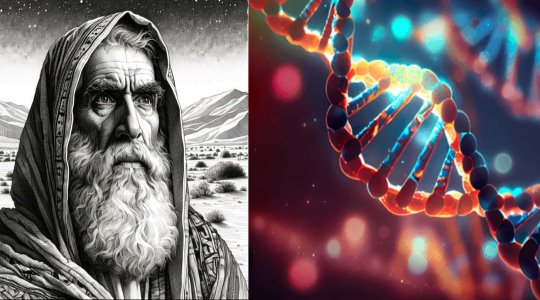
Enoh despre ARN și ADN: pomul înțelepciunii și al vieții

Enoh despre ARN și ADN: pomul înțelepciunii și al vieții

Profetul biblic Enoh, în cartea apocrifă „Cartea lui Enoh”, ne oferă o perspectivă interesantă asupra a două pomi cu semnificații profunde. Acești pomi sunt pomul înțelepciunii și pomul vieții, iar descrierile pe care le face Enoh ne ajută să înțelegem importanța lor.

Pomul înțelepciunii este comparat cu un pom de roșcove, iar fructul său aduce aminte de ciorchinele de strugure. Cei care mănâncă din acest pom dobândesc multă înțelepciune. Această descriere ne amintește de structura acidului ribonucleic (ARN), care are o formă asemănătoare cu o frunză de trifoi sau un ciorchine de strugure. ARN este implicat în procesul de memorie și se crede că scăderea nivelului său poate duce la diminuarea capacității noastre de a învăța și de a memora informații. Prin urmare, putem interpreta că ARN este „pomul înțelepciunii” menționat de Enoh.

Pe de altă parte, pomul vieții este descris ca având frunze, flori și lemn care nu se usucă niciodată. Fructul său este radiant și seamănă cu ciorchinele de palmier. Acest pom este destinat celor drepți și celor smeriți, iar prin intermediul său, viața este împărtășită celor aleși. Această descriere ne aduce aminte de acidul dezoxiribonucleic (ADN), care are o structură helicoidală și este purtătorul informației genetice. ADN-ul este esențial pentru transmiterea caracteristicilor ereditare și poate fi considerat „pomul vieții” menționat de Enoh.

Astfel, putem specula că Enoh a fost martorul unor structuri extrem de mărite ale acizilor nucleici, pe care le-a comparat cu pomi. Această interpretare ne sugerează că Enoh a primit o discernământ profundă a importanței ARN-ului și ADN-ului în ceea ce privește înțelepciunea și viața.

Cercetările moderne susțin existența unor gene care controlează reproducerea celulelor noastre. Aceste gene sunt inhibate de alte gene care se reactivează în ultima parte a vieții, conducând în cele din urmă la moartea individului. Dacă am putea bloca aceste gene și, în același timp, stimula genele responsabile de diviziunea celulară, am putea obține nemurirea.

Astfel, există posibilitatea ca cineva, poate o supercivilizație extraterestră, să fi dezvăluit lui Enoh, ca reprezentant al oamenilor, un Mare secret legat de nemurire, pornind de la ADN. Aceasta ar putea explica de ce Enoh a vorbit despre „pomul înțelepciunii” și „pomul vieții” în cartea sa.

În concluzie, descrierile lui Enoh despre acești pomi misterioși ne oferă o perspectivă fascinantă asupra importanței acizilor nucleici în ceea ce privește înțelepciunea și viața. Interpretarea lor în contextul cunoștințelor moderne despre ARN și ADN ne ajută să înțelegem mai Bine semnificația acestor pomi și posibila lor legătură cu nemurirea.

Vino și explorează conținutul generat de inteligența artificială pe dbnews.ro și lasă-te uimit de potențialul acestei tehnologii. Este viitorul conținutului, disponibil chiar acum la un click distanță!

Lasă un răspuns

Adresa ta de email nu va fi publicată. Câmpurile obligatorii sunt marcate cu *

We use cookies to personalise content and ads, to provide social media features and to analyse our traffic. We also share information about your use of our site with our social media, advertising and analytics partners. View more
Cookies settings
Accept
Decline
Privacy & Cookie policy
Privacy & Cookies policy
Cookie name Active

Who we are

Suggested text: Our website address is: http://1db.ro.

Comments

Suggested text: When visitors leave comments on the site we collect the data shown in the comments form, and also the visitor’s IP address and browser user agent string to help spam detection. An anonymized string created from your email address (also called a hash) may be provided to the Gravatar service to see if you are using it. The Gravatar service privacy policy is available here: https://automattic.com/privacy/. After approval of your comment, your profile picture is visible to the public in the context of your comment.

Media

Suggested text: If you upload images to the website, you should avoid uploading images with embedded location data (EXIF GPS) included. Visitors to the website can download and extract any location data from images on the website.

Cookies

Suggested text: If you leave a comment on our site you may opt-in to saving your name, email address and website in cookies. These are for your convenience so that you do not have to fill in your details again when you leave another comment. These cookies will last for one year. If you visit our login page, we will set a temporary cookie to determine if your browser accepts cookies. This cookie contains no personal data and is discarded when you close your browser. When you log in, we will also set up several cookies to save your login information and your screen display choices. Login cookies last for two days, and screen options cookies last for a year. If you select "Remember Me", your login will persist for two weeks. If you log out of your account, the login cookies will be removed. If you edit or publish an article, an additional cookie will be saved in your browser. This cookie includes no personal data and simply indicates the post ID of the article you just edited. It expires after 1 day.

Embedded content from other websites

Suggested text: Articles on this site may include embedded content (e.g. videos, images, articles, etc.). Embedded content from other websites behaves in the exact same way as if the visitor has visited the other website. These websites may collect data about you, use cookies, embed additional third-party tracking, and monitor your interaction with that embedded content, including tracking your interaction with the embedded content if you have an account and are logged in to that website.

Who we share your data with

Suggested text: If you request a password reset, your IP address will be included in the reset email.

How long we retain your data

Suggested text: If you leave a comment, the comment and its metadata are retained indefinitely. This is so we can recognize and approve any follow-up comments automatically instead of holding them in a moderation queue. For users that register on our website (if any), we also store the personal information they provide in their user profile. All users can see, edit, or delete their personal information at any time (except they cannot change their username). Website administrators can also see and edit that information.

What rights you have over your data

Suggested text: If you have an account on this site, or have left comments, you can request to receive an exported file of the personal data we hold about you, including any data you have provided to us. You can also request that we erase any personal data we hold about you. This does not include any data we are obliged to keep for administrative, legal, or security purposes.

Where your data is sent

Suggested text: Visitor comments may be checked through an automated spam detection service.
Save settings
Cookies settings