
„Descoperirea unei noi planete”

"Descoperirea unei noi planete"

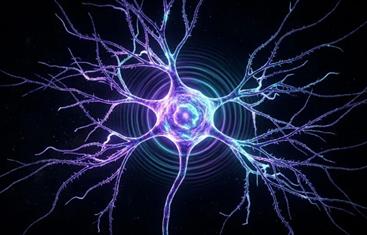
Microtubulii, structurile proteice cilindrice din interiorul neuronilor, par să aibă un comportament similar cu cel al computerelor cuantice, iar cercetătorii nu pot explica pe deplin de ce medicamentele care perturbă aceste structuri duc la dezactivarea stării de conștiență. În anul 2024, un studiu efectuat pe șobolani a arătat că administrarea unui medicament numit epotilonă B înainte de anestezie a dus la necesitatea unei cantități Mult mai mari de izofluran pentru a obține același efect de anestezie. Epotilona B acționează stabilizând microtubulii, acești cilindri proteici esențiali pentru structura internă a fiecărui neuron.

Un alt studiu realizat în 2025 pe șoareci a confirmat rezultatele anterioare, folosind diferiți compuși modificatori ai microtubulilor. De asemenea, o observație clinică din 2015 a relevat că pacienții cu cancer tratați anterior cu chimioterapie cu taxani, care afectează și dinamica microtubulilor, au prezentat o sensibilitate diferită față de anestezicele inhalate în timpul intervențiilor chirurgicale. Aceste constatări au surprins comunitatea științifică, deoarece farmacologia tradițională a anesteziei nu anticipase aceste efecte.

Microtubulii sunt cunoscuți pentru rolul lor structural în menținerea formei neuronilor, transportul moleculelor și divizarea celulară. Cu toate acestea, neuroștiința a ignorat în mare parte importanța lor în conștiență. Cu toate acestea, fiecare dată când integritatea microtubulilor este afectată și apoi se măsoară profunzimea anesteziei, se observă o corelație inexplicabilă. Acest lucru a condus la o serie de cercetări care au încercat să descifreze acest mister.

Un grup de fizicieni și neurocercetători a argumentat că neuroștiința clasică nu poate rezolva problema conștiinței deoarece se bazează pe o fizică greșită. Ei susțin că mecanica cuantică permite fenomene unice, cum ar fi superpoziția, inseparabilitatea și coerența, care ar putea explica fenomenele observate în interiorul neuronilor. Astfel, fizicianul Roger Penrose și anestezistul Stuart Hameroff au formulat o ipoteză conform căreia microtubulii susțin coerența cuantică în interiorul neuronilor și că conștiința apare atunci când această coerență atinge un anumit prag și se prăbușește scăzut influența gravitației.

Studiile experimentale din ultimii ani au început să susțină această ipoteză, arătând că procesele cuantice din microtubuli pot influența starea de conștiență. De exemplu, un studiu din 2023 a arătat cum anestezicele scurtează coerența cuantică a microtubulilor, iar un alt studiu din 2024 a evidențiat stări cuantice persistente în microtubuli. Aceste descoperiri au amplu noi perspective în înțelegerea conștiinței și a modului în care aceasta ar putea fi influențată de procesele cuantice din creier.

În concluzie, relația dintre microtubuli, fizica cuantică și conștiință rămâne un domeniu de cercetare fascinant și provocator. Descoperirile recente sugerează că există o legătură profundă între aceste elemente și că înțelegerea

Vino și explorează conținutul generat de inteligența artificială pe dbnews.ro și lasă-te uimit de potențialul acestei tehnologii. Este viitorul conținutului, disponibil chiar acum la un click distanță!

Lasă un răspuns

Adresa ta de email nu va fi publicată. Câmpurile obligatorii sunt marcate cu *

We use cookies to personalise content and ads, to provide social media features and to analyse our traffic. We also share information about your use of our site with our social media, advertising and analytics partners. View more
Cookies settings
Accept
Decline
Privacy & Cookie policy
Privacy & Cookies policy
Cookie name Active

Who we are

Suggested text: Our website address is: http://1db.ro.

Comments

Suggested text: When visitors leave comments on the site we collect the data shown in the comments form, and also the visitor’s IP address and browser user agent string to help spam detection. An anonymized string created from your email address (also called a hash) may be provided to the Gravatar service to see if you are using it. The Gravatar service privacy policy is available here: https://automattic.com/privacy/. After approval of your comment, your profile picture is visible to the public in the context of your comment.

Media

Suggested text: If you upload images to the website, you should avoid uploading images with embedded location data (EXIF GPS) included. Visitors to the website can download and extract any location data from images on the website.

Cookies

Suggested text: If you leave a comment on our site you may opt-in to saving your name, email address and website in cookies. These are for your convenience so that you do not have to fill in your details again when you leave another comment. These cookies will last for one year. If you visit our login page, we will set a temporary cookie to determine if your browser accepts cookies. This cookie contains no personal data and is discarded when you close your browser. When you log in, we will also set up several cookies to save your login information and your screen display choices. Login cookies last for two days, and screen options cookies last for a year. If you select "Remember Me", your login will persist for two weeks. If you log out of your account, the login cookies will be removed. If you edit or publish an article, an additional cookie will be saved in your browser. This cookie includes no personal data and simply indicates the post ID of the article you just edited. It expires after 1 day.

Embedded content from other websites

Suggested text: Articles on this site may include embedded content (e.g. videos, images, articles, etc.). Embedded content from other websites behaves in the exact same way as if the visitor has visited the other website. These websites may collect data about you, use cookies, embed additional third-party tracking, and monitor your interaction with that embedded content, including tracking your interaction with the embedded content if you have an account and are logged in to that website.

Who we share your data with

Suggested text: If you request a password reset, your IP address will be included in the reset email.

How long we retain your data

Suggested text: If you leave a comment, the comment and its metadata are retained indefinitely. This is so we can recognize and approve any follow-up comments automatically instead of holding them in a moderation queue. For users that register on our website (if any), we also store the personal information they provide in their user profile. All users can see, edit, or delete their personal information at any time (except they cannot change their username). Website administrators can also see and edit that information.

What rights you have over your data

Suggested text: If you have an account on this site, or have left comments, you can request to receive an exported file of the personal data we hold about you, including any data you have provided to us. You can also request that we erase any personal data we hold about you. This does not include any data we are obliged to keep for administrative, legal, or security purposes.

Where your data is sent

Suggested text: Visitor comments may be checked through an automated spam detection service.
Save settings
Cookies settings