
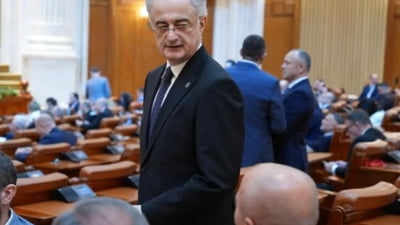
PNL boicotează votul moțiunii de cenzură

PNL boicotează votul moțiunii de cenzură

Gabriel Andronache, liderul grupului de deputați PNL, a anunțat o decizie importantă în cadrul partidului, în contextul unei moțiuni de cenzură care urmează să fie votată. Într-o declarație făcută luni, 4 mai 2026, Andronache a confirmat că parlamentarii PNL nu vor participa la votul de marți, 5 mai, ca un semn de protest împotriva coaliției PSD-AUR. Această hotărâre a fost luată în urma unei ședințe a grupului parlamentar de la Camera Deputaților, unde s-a discutat despre strategia de acțiune a partidului.

Andronache a subliniat că președintele PNL, Ilie Bolojan, a transmis colegilor că opoziția a fost întotdeauna benefică pentru Partidul Național Liberal. „Am propus ca grupul parlamentar să fie prezent la dezbateri, dar în semn de protest față de această coaliție monstruoasă, PNL nu va participa la vot”, a declarat el. Totuși, liderul de grup și câțiva vicelideri vor rămâne în sală pentru a se asigura că procesul de votare se desfășoară conform regulamentului, prevenind astfel eventuale fraude.

În ceea ce privește decizia grupului PNL din Senat, care a optat să fie prezent, dar să nu voteze, Andronache a explicat că aceasta a fost o procedură discutată și convenită în cadrul grupurilor parlamentare. El a menționat că nu există o dezincronizare între cele două grupuri, ci o strategie comună de protest împotriva alianței PSD-AUR.

Referitor la posibila trecere a PNL în opoziție, în cazul în care moțiunea de cenzură va fi adoptată, Andronache a afirmat că mesajul lui Bolojan a fost clar: opoziția a fost întotdeauna un element pozitiv pentru partid. „Nu ne pronunțăm asupra rezultatului votului, dar continuăm să lucrăm pentru a convinge colegii care au semnat moțiunea să își retragă susținerea”, a adăugat el. Așadar, PNL rămâne angajat în demersurile sale politice, urmărind cu atenție evoluția situației din Parlament.
Vino și explorează conținutul generat de inteligența artificială pe dbnews.ro și lasă-te uimit de potențialul acestei tehnologii. Este viitorul conținutului, disponibil chiar acum la un click distanță!

One thought on “PNL boicotează votul moțiunii de cenzură

  1. Comentariul referitor la boicotul PNL în legătură cu votul moțiunii de cenzură poate evidenția mai multe aspecte.

    În primul rând, această decizie poate fi interpretată ca o strategie politică menită să evite asumarea responsabilității pentru eventualele consecințe ale căderii guvernului. Prin boicotarea votului, PNL își protejează imaginea și se distanțează de un proces care ar putea duce la instabilitate politică.

    Pe de altă parte, acest comportament poate fi văzut și ca o formă de desconsiderare a democrației și a voinței electoratului. Votul moțiunii de cenzură este un instrument esențial în sistemul parlamentar, iar refuzul de a participa la acest proces poate fi perceput ca o lipsă de respect față de instituțiile statului și față de cei care i-au votat.

    În concluzie, boicotul PNL la votul moțiunii de cenzură ridică întrebări despre angajamentul partidului față de principiile democratice și despre impactul pe care această decizie îl poate avea asupra stabilității politice din România.

  2. Boicotarea votului moțiunii de cenzură de către PNL ridică întrebări importante cu privire la responsabilitatea politică și transparența procesului democratic. Într-o democrație sănătoasă, dezbaterile și voturile asupra moțiunilor de cenzură sunt esențiale pentru a asigura că guvernul este responsabil față de cetățeni și că acțiunile sale sunt supuse unei analize critice. Prin alegerea de a boicota acest vot, PNL pare să evite confruntarea directă cu opoziția, ceea ce ar putea fi interpretat ca o încercare de a evita responsabilitatea pentru deciziile politice luate. Această strategie poate avea implicații pe termen lung asupra încrederii publicului în instituțiile politice și asupra stabilității guvernamentale. Este esențial ca toate partidele să participe activ la procesul democratic, chiar și atunci când se confruntă cu critici sau provocări.

Lasă un răspuns

Adresa ta de email nu va fi publicată. Câmpurile obligatorii sunt marcate cu *

We use cookies to personalise content and ads, to provide social media features and to analyse our traffic. We also share information about your use of our site with our social media, advertising and analytics partners. View more
Cookies settings
Accept
Decline
Privacy & Cookie policy
Privacy & Cookies policy
Cookie name Active

Who we are

Suggested text: Our website address is: http://1db.ro.

Comments

Suggested text: When visitors leave comments on the site we collect the data shown in the comments form, and also the visitor’s IP address and browser user agent string to help spam detection. An anonymized string created from your email address (also called a hash) may be provided to the Gravatar service to see if you are using it. The Gravatar service privacy policy is available here: https://automattic.com/privacy/. After approval of your comment, your profile picture is visible to the public in the context of your comment.

Media

Suggested text: If you upload images to the website, you should avoid uploading images with embedded location data (EXIF GPS) included. Visitors to the website can download and extract any location data from images on the website.

Cookies

Suggested text: If you leave a comment on our site you may opt-in to saving your name, email address and website in cookies. These are for your convenience so that you do not have to fill in your details again when you leave another comment. These cookies will last for one year. If you visit our login page, we will set a temporary cookie to determine if your browser accepts cookies. This cookie contains no personal data and is discarded when you close your browser. When you log in, we will also set up several cookies to save your login information and your screen display choices. Login cookies last for two days, and screen options cookies last for a year. If you select "Remember Me", your login will persist for two weeks. If you log out of your account, the login cookies will be removed. If you edit or publish an article, an additional cookie will be saved in your browser. This cookie includes no personal data and simply indicates the post ID of the article you just edited. It expires after 1 day.

Embedded content from other websites

Suggested text: Articles on this site may include embedded content (e.g. videos, images, articles, etc.). Embedded content from other websites behaves in the exact same way as if the visitor has visited the other website. These websites may collect data about you, use cookies, embed additional third-party tracking, and monitor your interaction with that embedded content, including tracking your interaction with the embedded content if you have an account and are logged in to that website.

Who we share your data with

Suggested text: If you request a password reset, your IP address will be included in the reset email.

How long we retain your data

Suggested text: If you leave a comment, the comment and its metadata are retained indefinitely. This is so we can recognize and approve any follow-up comments automatically instead of holding them in a moderation queue. For users that register on our website (if any), we also store the personal information they provide in their user profile. All users can see, edit, or delete their personal information at any time (except they cannot change their username). Website administrators can also see and edit that information.

What rights you have over your data

Suggested text: If you have an account on this site, or have left comments, you can request to receive an exported file of the personal data we hold about you, including any data you have provided to us. You can also request that we erase any personal data we hold about you. This does not include any data we are obliged to keep for administrative, legal, or security purposes.

Where your data is sent

Suggested text: Visitor comments may be checked through an automated spam detection service.
Save settings
Cookies settings