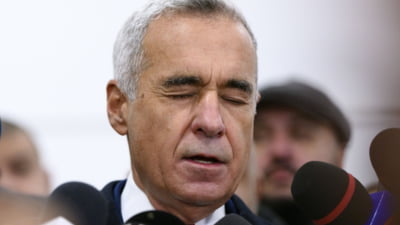
Piedone își înființează un nou partid

Cristian Popescu Piedone, fostul primar al Sectorului 5, a decis să se desprindă de Partidul Umanist Social-Liberal (PUSL) și să exploreze posibilitatea formării unei noi formațiuni politice. Această mișcare vine după o perioadă tumultoasă în cariera sa, marcată de scandaluri care i-au slăbit imaginea publică și accesul la platformele de promovare. Într-o postare recentă pe Facebook, Piedone a clarificat că nu intenționează să candideze la alegerile parțiale pentru Primăria București, programate pentru luna noiembrie a acestui an sau, cel mai târziu, primăvara anului 2026. Cu toate acestea, decizia sa de a părăsi PUSL, un partid cu o reprezentare solidă în Consiliul General al Capitalei, ridică semne de întrebare cu privire la motivațiile sale.

Politologul Cristian Pîrvulescu, decan al Facultății de Științe Politice din cadrul SNSPA, sugerează că Piedone nu avea susținerea necesară în interiorul PUSL pentru a-și relua candidatura la Primărie, ceea ce l-ar fi determinat să caute un nou drum politic. Această alegere poate fi interpretată ca o încercare de a-și menține relevanța în peisajul politic, având în vedere că imaginea sa publică rămâne cunoscută, iar un actual partid ar putea atrage voturi, în special în contextul competiției cu alți candidați.

Piedone se prezintă ca un „justițiar” și un „om dintre oameni”, iar ambițiile sale politice au fost evidente în trecut. Totuși, Pîrvulescu subliniază riscurile asociate cu înființarea unei noi formațiuni, având în vedere că PUSL colaborează cu Partidul Social Democrat, ceea ce îi oferă un avantaj în negocierile politice. În acest context, întrebarea care se ridică este ce scop are de adevăr această nouă mișcare și dacă există o strategie clară în spatele ei.

George Jiglău, lector la Universitatea Babeș-Bolyai, consideră că decizia lui Piedone reflectă o personalitate centrată pe sine, cu aspirații mari de a rămâne în centrul atenției. El subliniază că Piedone nu a demonstrat vreodată o capacitate de a acționa independent, având mereu sprijinul unei instituții. Această nouă încercare de a forma un partid ar putea fi comparată cu strategia adoptată de alte figuri politice care au reușit să își construiască o carieră prin autopromovare.

În concluzie, decizia lui Cristian Popescu Piedone de a părăsi PUSL și de a explora posibilitatea înființării unui modern partid este un pas riscant, dar care ar putea să-i ofere o nouă oportunitate de a-și reafirma prezența în politica românească. Rămâne de văzut cum va evolua această situație și dacă Piedone va reuși să își construiască o platformă politică viabilă.


Vino și explorează conținutul generat de inteligența artificială pe dbnews.ro și lasă-te uimit de potențialul acestei tehnologii. Este viitorul conținutului, disponibil chiar acum la un click distanță!

Lasă un răspuns

Adresa ta de email nu va fi publicată. Câmpurile obligatorii sunt marcate cu *

We use cookies to personalise content and ads, to provide social media features and to analyse our traffic. We also share information about your use of our site with our social media, advertising and analytics partners. View more
Cookies settings
Accept
Decline
Privacy & Cookie policy
Privacy & Cookies policy
Cookie name Active

Who we are

Suggested text: Our website address is: http://1db.ro.

Comments

Suggested text: When visitors leave comments on the site we collect the data shown in the comments form, and also the visitor’s IP address and browser user agent string to help spam detection. An anonymized string created from your email address (also called a hash) may be provided to the Gravatar service to see if you are using it. The Gravatar service privacy policy is available here: https://automattic.com/privacy/. After approval of your comment, your profile picture is visible to the public in the context of your comment.

Media

Suggested text: If you upload images to the website, you should avoid uploading images with embedded location data (EXIF GPS) included. Visitors to the website can download and extract any location data from images on the website.

Cookies

Suggested text: If you leave a comment on our site you may opt-in to saving your name, email address and website in cookies. These are for your convenience so that you do not have to fill in your details again when you leave another comment. These cookies will last for one year. If you visit our login page, we will set a temporary cookie to determine if your browser accepts cookies. This cookie contains no personal data and is discarded when you close your browser. When you log in, we will also set up several cookies to save your login information and your screen display choices. Login cookies last for two days, and screen options cookies last for a year. If you select "Remember Me", your login will persist for two weeks. If you log out of your account, the login cookies will be removed. If you edit or publish an article, an additional cookie will be saved in your browser. This cookie includes no personal data and simply indicates the post ID of the article you just edited. It expires after 1 day.

Embedded content from other websites

Suggested text: Articles on this site may include embedded content (e.g. videos, images, articles, etc.). Embedded content from other websites behaves in the exact same way as if the visitor has visited the other website. These websites may collect data about you, use cookies, embed additional third-party tracking, and monitor your interaction with that embedded content, including tracking your interaction with the embedded content if you have an account and are logged in to that website.

Who we share your data with

Suggested text: If you request a password reset, your IP address will be included in the reset email.

How long we retain your data

Suggested text: If you leave a comment, the comment and its metadata are retained indefinitely. This is so we can recognize and approve any follow-up comments automatically instead of holding them in a moderation queue. For users that register on our website (if any), we also store the personal information they provide in their user profile. All users can see, edit, or delete their personal information at any time (except they cannot change their username). Website administrators can also see and edit that information.

What rights you have over your data

Suggested text: If you have an account on this site, or have left comments, you can request to receive an exported file of the personal data we hold about you, including any data you have provided to us. You can also request that we erase any personal data we hold about you. This does not include any data we are obliged to keep for administrative, legal, or security purposes.

Where your data is sent

Suggested text: Visitor comments may be checked through an automated spam detection service.
Save settings
Cookies settings