
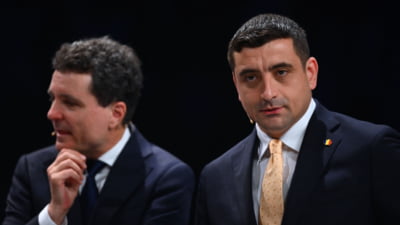
„Matematicianul și fostul huligan”

„Matematicianul și fostul huligan”

România se află într-un moment crucial, cu o dinamică politică ce ar putea influența profund viitorul său european. În cazul în care președintele Nicușor Dan nu reușește să mențină stabilitatea politică, iar George Simion ar ajunge la conducerea guvernului, Uniunea Europeană ar putea avea de-a face cu un lider eurosceptic deosebit de combativ. Aceasta este concluzia unei analize recente care compară cele două figuri politice, evidențiind contrastul dintre stilul tehnocrat al lui Dan și abordarea populistă a lui Simion.

George Simion, liderul partidului AUR, a reușit să își construiască o imagine puternică în doar câțiva ani, trecând de la marginea extremei drepte la un statut de candidat serios la putere. Cu un sprijin de aproximativ 37% în sondaje, AUR depășește alte formațiuni populiste din Europa. Campania sa electorală anterioară a fost marcată de atacuri dure asupra adversarilor, dar în prezent, Simion își redefinește imaginea, dorind să se prezinte ca un om de stat, în timp ce critică Uniunea Europeană, pe care o consideră pe cale de a deveni o „Uniune Sovietică”.

Această ascensiune a fost posibilă datorită erodării încrederii în partidele tradiționale din România, afectate de scandaluri de corupție. Liberalii și social-democrații, care au dominat scena politică post-1989, au pierdut din credibilitate, iar nemulțumirea publicului a fost capitalizată de AUR. Deși partidele tradiționale au încercat să blocheze accesul extremei drepte la guvernare, dinamica politică s-a schimbat, iar unele dintre acestea au votat alături de AUR pentru a demite guverne.

Nicușor Dan, pe de altă parte, este văzut ca un tehnocrat prudent, care promovează reforme graduale și stabilitate instituțională. El își apără mandatul prin argumentul că reformele necesită timp și că percepția publicului asupra lipsei de progres este adesea mai severă decât realitatea. În contrast, Simion profită de nemulțumirile populare și de un discurs anti-establishment, ceea ce ar putea conduce la o guvernare eurosceptică, complicând astfel procesele decizionale din cadrul Uniunii Europene.

În ceea ce privește relațiile internaționale, Simion a fost criticat pentru pozițiile sale față de Ucraina și Rusia, ceea ce a dus la percepția că se află în opoziție cu linia dominantă a UE. Deși afirmă că nu este pro-rus, criticile sale la adresa politicilor europene au generat controverse. În concluzie, România se află într-un echilibru fragil, iar tensiunile dintre un curent tehnocrat pro-european și unul populist eurosceptic ar putea influența semnificativ viitorul țării și relațiile sale cu Uniunea Europeană.

Vino și explorează conținutul generat de inteligența artificială pe dbnews.ro și lasă-te uimit de potențialul acestei tehnologii. Este viitorul conținutului, disponibil chiar acum la un click distanță!

Lasă un răspuns

Adresa ta de email nu va fi publicată. Câmpurile obligatorii sunt marcate cu *

We use cookies to personalise content and ads, to provide social media features and to analyse our traffic. We also share information about your use of our site with our social media, advertising and analytics partners. View more
Cookies settings
Accept
Decline
Privacy & Cookie policy
Privacy & Cookies policy
Cookie name Active

Who we are

Suggested text: Our website address is: http://1db.ro.

Comments

Suggested text: When visitors leave comments on the site we collect the data shown in the comments form, and also the visitor’s IP address and browser user agent string to help spam detection. An anonymized string created from your email address (also called a hash) may be provided to the Gravatar service to see if you are using it. The Gravatar service privacy policy is available here: https://automattic.com/privacy/. After approval of your comment, your profile picture is visible to the public in the context of your comment.

Media

Suggested text: If you upload images to the website, you should avoid uploading images with embedded location data (EXIF GPS) included. Visitors to the website can download and extract any location data from images on the website.

Cookies

Suggested text: If you leave a comment on our site you may opt-in to saving your name, email address and website in cookies. These are for your convenience so that you do not have to fill in your details again when you leave another comment. These cookies will last for one year. If you visit our login page, we will set a temporary cookie to determine if your browser accepts cookies. This cookie contains no personal data and is discarded when you close your browser. When you log in, we will also set up several cookies to save your login information and your screen display choices. Login cookies last for two days, and screen options cookies last for a year. If you select "Remember Me", your login will persist for two weeks. If you log out of your account, the login cookies will be removed. If you edit or publish an article, an additional cookie will be saved in your browser. This cookie includes no personal data and simply indicates the post ID of the article you just edited. It expires after 1 day.

Embedded content from other websites

Suggested text: Articles on this site may include embedded content (e.g. videos, images, articles, etc.). Embedded content from other websites behaves in the exact same way as if the visitor has visited the other website. These websites may collect data about you, use cookies, embed additional third-party tracking, and monitor your interaction with that embedded content, including tracking your interaction with the embedded content if you have an account and are logged in to that website.

Who we share your data with

Suggested text: If you request a password reset, your IP address will be included in the reset email.

How long we retain your data

Suggested text: If you leave a comment, the comment and its metadata are retained indefinitely. This is so we can recognize and approve any follow-up comments automatically instead of holding them in a moderation queue. For users that register on our website (if any), we also store the personal information they provide in their user profile. All users can see, edit, or delete their personal information at any time (except they cannot change their username). Website administrators can also see and edit that information.

What rights you have over your data

Suggested text: If you have an account on this site, or have left comments, you can request to receive an exported file of the personal data we hold about you, including any data you have provided to us. You can also request that we erase any personal data we hold about you. This does not include any data we are obliged to keep for administrative, legal, or security purposes.

Where your data is sent

Suggested text: Visitor comments may be checked through an automated spam detection service.
Save settings
Cookies settings