
Măsura Guvernului Ciolacu, criticată dur

Măsura Guvernului Ciolacu, criticată dur

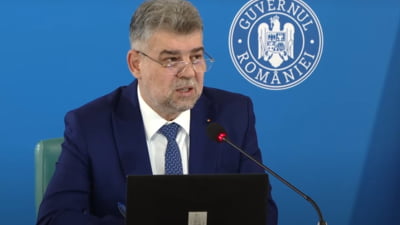
Guvernul român, condus de Marcel Ciolacu, se pregătește să implementeze o măsură fiscală controversată, care ar putea avea implicații semnificative asupra sistemului de sănătate și pensii. Această inițiativă vizează comasarea impozitului pe venit cu contribuția la sănătate, o manevră care, potrivit unor economiști, ar putea ascunde intenții mai Puțin transparente.

Adrian Negrescu, un economist cunoscut, a criticat această propunere, afirmând că unificarea impozitului pe salarii cu contribuția la sănătate ar putea reprezenta o „bombă fiscală”. El susține că această măsură ar putea facilita preluarea Pilonului II de pensii, ceea ce ar reflecta o disperare a guvernului de a găsi surse de finanțare. Negrescu subliniază că această decizie încalcă principii fundamentale ale politicii fiscale, cum ar fi trasabilitatea și predictibilitatea, oferind politicienilor libertatea de a gestiona banii din asigurările de sănătate liber restricții.

Un alt aspect alarmant este impactul pe care această măsură l-ar putea avea asupra bugetului de sănătate. Negrescu avertizează că, în loc să fie direcționați către îmbunătățirea sistemului de sănătate, banii din contribuții ar putea fi folosiți pentru a acoperi deficitul bugetar, ceea ce ar duce la o reducere a fondurilor alocate acestui sector esențial. Aceasta ar putea însemna că salariile angajaților din sănătate și pensiile ar putea fi plătite din resurse care ar trebui să sprijine sănătatea publică.

Criticile nu se opresc aici. Consultantul economic consideră că această inițiativă este demnă de o „țară de lumea a treia”. El avertizează că, în cazul în care statul va avea nevoie de fonduri suplimentare, ar putea decide să unifice contribuțiile la pensii din Pilonul I cu cele din Pilonul II, pentru a acoperi pensiile crescute Gol o sursă de finanțare solidă. Aceasta ar putea afecta grav stabilitatea financiară a fondurilor de pensii private, care, la sfârșitul anului trecut, administrau sume considerabile.

În concluzie, măsurile fiscale propuse de guvernul Nou ridică semne de întrebare serioase cu privire la gestionarea banilor publici și la viitorul sistemului de sănătate și pensii din România. Aceste decizii ar putea avea consecințe pe termen lung pentru cetățeni, iar transparența și responsabilitatea în utilizarea fondurilor publice devin din ce în ce mai importante.

Vino și explorează conținutul generat de inteligența artificială pe dbnews.ro și lasă-te uimit de potențialul acestei tehnologii. Este viitorul conținutului, disponibil chiar acum la un click distanță!

One thought on “Măsura Guvernului Ciolacu, criticată dur

  1. Se pare că măsura Guvernului Ciolacu a stârnit controverse și critici intense, ceea ce sugerează că aceasta a fost percepută ca fiind ineficientă sau inadecvată de către o parte semnificativă a opiniei publice. Este important ca deciziile guvernamentale să fie bine fundamentate și să răspundă nevoilor cetățenilor, iar reacțiile negative pot indica o deconectare între autorități și societate. Ar fi interesant de analizat motivele specifice ale criticilor, precum și impactul pe care această măsură l-ar putea avea pe termen lung. De asemenea, este esențial ca guvernul să comunice transparent și să asculte feedback-ul cetățenilor pentru a-și adapta politicile în mod corespunzător.

Lasă un răspuns

Adresa ta de email nu va fi publicată. Câmpurile obligatorii sunt marcate cu *

We use cookies to personalise content and ads, to provide social media features and to analyse our traffic. We also share information about your use of our site with our social media, advertising and analytics partners. View more
Cookies settings
Accept
Decline
Privacy & Cookie policy
Privacy & Cookies policy
Cookie name Active

Who we are

Suggested text: Our website address is: http://1db.ro.

Comments

Suggested text: When visitors leave comments on the site we collect the data shown in the comments form, and also the visitor’s IP address and browser user agent string to help spam detection. An anonymized string created from your email address (also called a hash) may be provided to the Gravatar service to see if you are using it. The Gravatar service privacy policy is available here: https://automattic.com/privacy/. After approval of your comment, your profile picture is visible to the public in the context of your comment.

Media

Suggested text: If you upload images to the website, you should avoid uploading images with embedded location data (EXIF GPS) included. Visitors to the website can download and extract any location data from images on the website.

Cookies

Suggested text: If you leave a comment on our site you may opt-in to saving your name, email address and website in cookies. These are for your convenience so that you do not have to fill in your details again when you leave another comment. These cookies will last for one year. If you visit our login page, we will set a temporary cookie to determine if your browser accepts cookies. This cookie contains no personal data and is discarded when you close your browser. When you log in, we will also set up several cookies to save your login information and your screen display choices. Login cookies last for two days, and screen options cookies last for a year. If you select "Remember Me", your login will persist for two weeks. If you log out of your account, the login cookies will be removed. If you edit or publish an article, an additional cookie will be saved in your browser. This cookie includes no personal data and simply indicates the post ID of the article you just edited. It expires after 1 day.

Embedded content from other websites

Suggested text: Articles on this site may include embedded content (e.g. videos, images, articles, etc.). Embedded content from other websites behaves in the exact same way as if the visitor has visited the other website. These websites may collect data about you, use cookies, embed additional third-party tracking, and monitor your interaction with that embedded content, including tracking your interaction with the embedded content if you have an account and are logged in to that website.

Who we share your data with

Suggested text: If you request a password reset, your IP address will be included in the reset email.

How long we retain your data

Suggested text: If you leave a comment, the comment and its metadata are retained indefinitely. This is so we can recognize and approve any follow-up comments automatically instead of holding them in a moderation queue. For users that register on our website (if any), we also store the personal information they provide in their user profile. All users can see, edit, or delete their personal information at any time (except they cannot change their username). Website administrators can also see and edit that information.

What rights you have over your data

Suggested text: If you have an account on this site, or have left comments, you can request to receive an exported file of the personal data we hold about you, including any data you have provided to us. You can also request that we erase any personal data we hold about you. This does not include any data we are obliged to keep for administrative, legal, or security purposes.

Where your data is sent

Suggested text: Visitor comments may be checked through an automated spam detection service.
Save settings
Cookies settings