
Legea pentru limitarea păcănelelor în blocuri

Legea pentru limitarea păcănelelor în blocuri

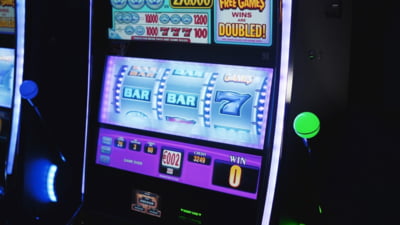
Un proiect de lege nou propune interzicerea amplasării sălilor de jocuri de noroc la parterul blocurilor de locuințe, o măsură menită să protejeze comunitățile de efectele negative ale jocurilor de noroc. Această inițiativă, inițiată de Gigel Știrbu, fost Ministru al Culturii, vine în contextul în care sălile de jocuri au devenit o prezență tot mai frecventă în zonele rezidențiale, generând îngrijorări legate de dependență și de impactul social.

Proiectul de lege propune modificarea Ordonanței de Urgență nr. 77/2009, stipulând că sălile de jocuri nu pot fi amplasate la parterul clădirilor rezidențiale sau mixte. Dacă va fi adoptat, acest proiect va intra în vigoare la trei luni de la publicarea în Monitorul Oficial. Argumentele aduse în favoarea acestei măsuri subliniază nevoia de a reduce accesibilitatea jocurilor de noroc, în special pentru persoanele vulnerabile. Conform datelor recente, numărul cererilor de autoexcludere din sălile de jocuri a crescut semnificativ, ceea ce sugerează o problemă în creștere în rândul populației.

În plus, inițiatorul proiectului subliniază că sălile de jocuri amplasate în apropierea locuințelor contribuie la creșterea dependenței și afectează nu doar indivizii, ci și familiile acestora. De asemenea, se menționează impactul prost asupra ordinii publice, cu plângeri frecvente din partea locatarilor legate de vălva și comportamente antisociale.

Cu toate acestea, istoria legislativă a inițiativelor de reglementare a jocurilor de noroc în România este marcată de blocaje. De-a lungul anilor, numeroase propuneri similare au fost respinse sau au rămas în așteptare în Parlament. De exemplu, un proiect care viza interzicerea sălilor de joc în apropierea școlilor și spitalelor a fost aprobat de Senat, dar nu a avansat în Camera Deputaților. Această situație ridică întrebări cu privire la voința politică de a aborda problema jocurilor de noroc și de a proteja sănătatea publică.

Chiar dacă actualul proiect de lege beneficiază de susținere, istoricul inițiativelor blocate sugerează că interesele economice ale industriei jocurilor de noroc ar putea prevala în fața argumentelor de sănătate publică. Cu toate acestea, presiunea din partea societății civile pentru o reglementare mai strictă crește, iar rămâne de văzut dacă acest climat politic va permite adoptarea unor măsuri eficiente împotriva acestui fenomen problematic.


Vino și explorează conținutul generat de inteligența artificială pe dbnews.ro și lasă-te uimit de potențialul acestei tehnologii. Este viitorul conținutului, disponibil chiar acum la un click distanță!

Lasă un răspuns

Adresa ta de email nu va fi publicată. Câmpurile obligatorii sunt marcate cu *

We use cookies to personalise content and ads, to provide social media features and to analyse our traffic. We also share information about your use of our site with our social media, advertising and analytics partners. View more
Cookies settings
Accept
Decline
Privacy & Cookie policy
Privacy & Cookies policy
Cookie name Active

Who we are

Suggested text: Our website address is: http://1db.ro.

Comments

Suggested text: When visitors leave comments on the site we collect the data shown in the comments form, and also the visitor’s IP address and browser user agent string to help spam detection. An anonymized string created from your email address (also called a hash) may be provided to the Gravatar service to see if you are using it. The Gravatar service privacy policy is available here: https://automattic.com/privacy/. After approval of your comment, your profile picture is visible to the public in the context of your comment.

Media

Suggested text: If you upload images to the website, you should avoid uploading images with embedded location data (EXIF GPS) included. Visitors to the website can download and extract any location data from images on the website.

Cookies

Suggested text: If you leave a comment on our site you may opt-in to saving your name, email address and website in cookies. These are for your convenience so that you do not have to fill in your details again when you leave another comment. These cookies will last for one year. If you visit our login page, we will set a temporary cookie to determine if your browser accepts cookies. This cookie contains no personal data and is discarded when you close your browser. When you log in, we will also set up several cookies to save your login information and your screen display choices. Login cookies last for two days, and screen options cookies last for a year. If you select "Remember Me", your login will persist for two weeks. If you log out of your account, the login cookies will be removed. If you edit or publish an article, an additional cookie will be saved in your browser. This cookie includes no personal data and simply indicates the post ID of the article you just edited. It expires after 1 day.

Embedded content from other websites

Suggested text: Articles on this site may include embedded content (e.g. videos, images, articles, etc.). Embedded content from other websites behaves in the exact same way as if the visitor has visited the other website. These websites may collect data about you, use cookies, embed additional third-party tracking, and monitor your interaction with that embedded content, including tracking your interaction with the embedded content if you have an account and are logged in to that website.

Who we share your data with

Suggested text: If you request a password reset, your IP address will be included in the reset email.

How long we retain your data

Suggested text: If you leave a comment, the comment and its metadata are retained indefinitely. This is so we can recognize and approve any follow-up comments automatically instead of holding them in a moderation queue. For users that register on our website (if any), we also store the personal information they provide in their user profile. All users can see, edit, or delete their personal information at any time (except they cannot change their username). Website administrators can also see and edit that information.

What rights you have over your data

Suggested text: If you have an account on this site, or have left comments, you can request to receive an exported file of the personal data we hold about you, including any data you have provided to us. You can also request that we erase any personal data we hold about you. This does not include any data we are obliged to keep for administrative, legal, or security purposes.

Where your data is sent

Suggested text: Visitor comments may be checked through an automated spam detection service.
Save settings
Cookies settings