

Impactul războiului comercial inițiat de Trump

Impactul războiului comercial inițiat de Trump

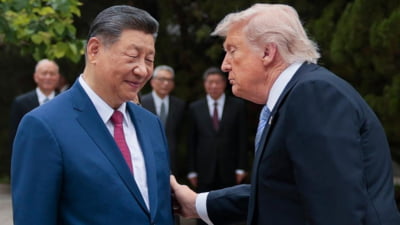
În contextul actual al relațiilor internaționale, se conturează o posibilă criză economică, iar economistul Radu Nechita subliniază riscurile politicilor protecționiste adoptate de diverse state. Instalarea lui Donald Trump la Casa Albă a marcat o schimbare semnificativă în peisajul geopolitic, iar efectele acestei schimbări se resimt în întreaga lume. Deși perioada pandemiei COVID-19 a fost marcată de măsuri economice extraordinare, cum ar fi printarea masivă de bani, economiștii avertizează că o nouă criză economică ar putea fi iminentă.

Nechita își exprimă scepticismul față de ideea că războiul comercial ar putea aduce beneficii economice. El argumentează că blocarea schimburilor internaționale nu va genera prosperitate, ci dimpotrivă, va afecta defect economia. De exemplu, întrebarea retorică pe care o ridică este dacă Bucureștiul sau județul Cluj ar avea de câștigat prin impunerea de taxe vamale asupra bunurilor din județele vecine. Această abordare protecționistă, inspirată de dorința de a sprijini economia națională, este considerată de Nechita un „pariu păgubos”.

Un alt aspect important pe care economistul îl subliniază este impactul acestor politici asupra consumatorilor. Politicile protecționiste sunt adesea prezentate ca măsuri de apărare națională, dar, în fapt, ele conduc la creșterea prețurilor pentru bunuri și servicii, afectând astfel buzunarele cetățenilor. Nechita afirmă că, de-a lungul istoriei, s-a demonstrat că aceste politici generează beneficii pentru stat și pentru producătorii interni, dar în detrimentul consumatorilor.

Evoluția prețurilor va depinde de cererea de pe piață, iar unele industrii ar putea suferi falimente. Dacă masa monetară continuă să crească, inflația va deveni o problemă tot mai acută. În acest context, consumatorii vor fi nevoiți să-și ajusteze bugetele, alocând mai mulți bani pentru bunuri esențiale, ceea ce va duce la o scădere a cheltuielilor pentru alte produse și servicii. Această realocare a bugetului va influența deciziile de cumpărare, amânând, de exemplu, înlocuirea automobilelor depășit cu unele noi.

În concluzie, economistul Radu Nechita oferă o analiză detaliată a riscurilor asociate cu politicile protecționiste și impactul acestora asupra economiei și consumatorilor, subliniind că, în final, cei care suferă cel mai numeroși sunt cetățenii obișnuiți.
Vino și explorează conținutul generat de inteligența artificială pe dbnews.ro și lasă-te uimit de potențialul acestei tehnologii. Este viitorul conținutului, disponibil chiar acum la un click distanță!

Lasă un răspuns

Adresa ta de email nu va fi publicată. Câmpurile obligatorii sunt marcate cu *

We use cookies to personalise content and ads, to provide social media features and to analyse our traffic. We also share information about your use of our site with our social media, advertising and analytics partners. View more
Cookies settings
Accept
Decline
Privacy & Cookie policy
Privacy & Cookies policy
Cookie name Active

Who we are

Suggested text: Our website address is: http://1db.ro.

Comments

Suggested text: When visitors leave comments on the site we collect the data shown in the comments form, and also the visitor’s IP address and browser user agent string to help spam detection. An anonymized string created from your email address (also called a hash) may be provided to the Gravatar service to see if you are using it. The Gravatar service privacy policy is available here: https://automattic.com/privacy/. After approval of your comment, your profile picture is visible to the public in the context of your comment.

Media

Suggested text: If you upload images to the website, you should avoid uploading images with embedded location data (EXIF GPS) included. Visitors to the website can download and extract any location data from images on the website.

Cookies

Suggested text: If you leave a comment on our site you may opt-in to saving your name, email address and website in cookies. These are for your convenience so that you do not have to fill in your details again when you leave another comment. These cookies will last for one year. If you visit our login page, we will set a temporary cookie to determine if your browser accepts cookies. This cookie contains no personal data and is discarded when you close your browser. When you log in, we will also set up several cookies to save your login information and your screen display choices. Login cookies last for two days, and screen options cookies last for a year. If you select "Remember Me", your login will persist for two weeks. If you log out of your account, the login cookies will be removed. If you edit or publish an article, an additional cookie will be saved in your browser. This cookie includes no personal data and simply indicates the post ID of the article you just edited. It expires after 1 day.

Embedded content from other websites

Suggested text: Articles on this site may include embedded content (e.g. videos, images, articles, etc.). Embedded content from other websites behaves in the exact same way as if the visitor has visited the other website. These websites may collect data about you, use cookies, embed additional third-party tracking, and monitor your interaction with that embedded content, including tracking your interaction with the embedded content if you have an account and are logged in to that website.

Who we share your data with

Suggested text: If you request a password reset, your IP address will be included in the reset email.

How long we retain your data

Suggested text: If you leave a comment, the comment and its metadata are retained indefinitely. This is so we can recognize and approve any follow-up comments automatically instead of holding them in a moderation queue. For users that register on our website (if any), we also store the personal information they provide in their user profile. All users can see, edit, or delete their personal information at any time (except they cannot change their username). Website administrators can also see and edit that information.

What rights you have over your data

Suggested text: If you have an account on this site, or have left comments, you can request to receive an exported file of the personal data we hold about you, including any data you have provided to us. You can also request that we erase any personal data we hold about you. This does not include any data we are obliged to keep for administrative, legal, or security purposes.

Where your data is sent

Suggested text: Visitor comments may be checked through an automated spam detection service.
Save settings
Cookies settings