

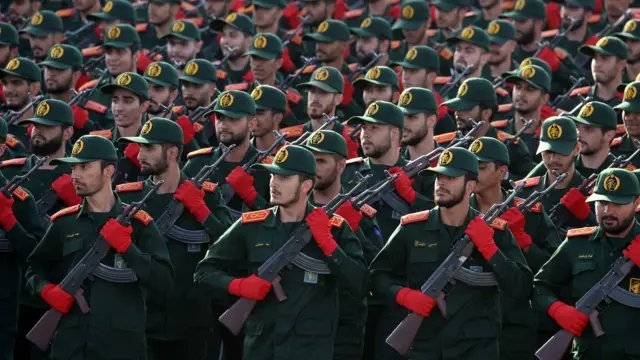
În Iran, puterea politică a suferit o transformare semnificativă, cu o concentrare a autorității în mâinile comandanților Corpului Gărzilor Revoluției Islamice (IRGC) și a structurilor de securitate, în timp ce Mojtaba Khamenei, fiul liderului suprem Ali Khamenei, îndeplinește mai bogat un rol de legitimare decât de conducere efectivă. Această schimbare a fost accelerată de evenimentele recente, inclusiv de moartea lui Ali Khamenei, care a lăsat un neocupat de putere în fruntea regimului. De la înființarea Republicii Islamice în 1979, liderul suprem a avut autoritate finală asupra tuturor deciziilor importante, dar acum, în contextul războiului, deciziile strategice sunt dominate de o conducere militară.
Mojtaba Khamenei, deși formal la conducere, se confruntă cu o structură de putere complexă, în care generalii IRGC și Consiliul Suprem de Securitate Națională (SNSC) au preluat controlul asupra strategiilor militare și politice. Această dinamică a dus la întârzieri în luarea deciziilor, iar oficialii străini au observat că Iranul răspunde anevoios la provocările externe, ceea ce sugerează o lipsă de coordonare eficientă în rândul liderilor.
În negocierile de pace cu Statele Unite, reprezentanții Iranului, inclusiv ministrul de externe Abbas Araghchi și fostul comandant al Gărzilor, Mohammed Bagher Ghalibaf, au fost implicați activ, dar deciziile cheie sunt influențate de lideri militari precum Ahmad Vahidi. Această situație complicată a fost agravată de rănile severe suferite de Mojtaba Khamenei, care îl împiedică să își exercite autoritatea în mod direct.
În timp ce Iranul a propus o abordare etapizată în negocierile cu Washingtonul, obstacolele nu provin din luptele interne, ci din diferențele fundamentale între ceea ce este dispus să ofere SUA și ceea ce acceptă IRGC. Această tensiune a dus la o stagnare a negocierilor, ambele părți fiind reticente să cedeze.
Pe fondul acestor schimbări, Gărzile Revoluției își consolidează influența, promovând o politică externă mai agresivă și o represiune internă mai strictă. Această reordonare a puterii reflectă o tranziție de la influența clericală la cea militară, cu un accent pe securitate și control centralizat. În acest context, deciziile sunt luate de instituțiile de securitate, iar Mojtaba Khamenei acționează mai mult ca un coordonator, gol a avea puterea de a contrazice liderii militari.
Astfel, Iranul se află într-o perioadă de tranziție complexă, în care puterea este exercitată din ce în ce mai Mult de structuri de securitate, iar viitorul politic al țării rămâne incert, cu provocări interne și externe care continuă să influențeze dinamica de putere.


Se pare că situația din Iran, în special în Teheran, este extrem de tumultoasă, iar apariția unei noi puteri sugerează o schimbare semnificativă în peisajul politic al țării. Aceasta ar putea avea implicații profunde nu doar pentru iranieni, ci și pentru întreaga regiune. Haosul poate fi un semn al tensiunilor interne, al nemulțumirilor populare sau al unor schimbări de leadership. Este important să urmărim evoluțiile și să înțelegem contextul istoric și socio-economic care a dus la această situație. De asemenea, impactul asupra drepturilor omului și libertăților civile ar trebui să fie o preocupare centrală în analiza acestor evenimente. Ce schimbări ar putea aduce această nouă putere și cum va influența relațiile Iranului cu alte țări? Rămâne de văzut.
Comentariul referitor la „Haos la Teheran: O nouă putere în Iran” ar putea sublinia complexitatea situației politice din Iran, care este marcată de tensiuni interne și externe. Este esențial să analizăm impactul acestor schimbări asupra stabilității regiunii și asupra populației, care se confruntă cu provocări economice și sociale. De asemenea, emergența unei noi puteri în Iran ar putea influența relațiile internaționale, în special în contextul programului nuclear și al politicilor regionale. Este important să urmărim evoluțiile viitoare și să ne întrebăm cum va afecta aceasta viitorul Iranului și al cetățenilor săi.