
Haos în transportul public din București

Haos în transportul public din București

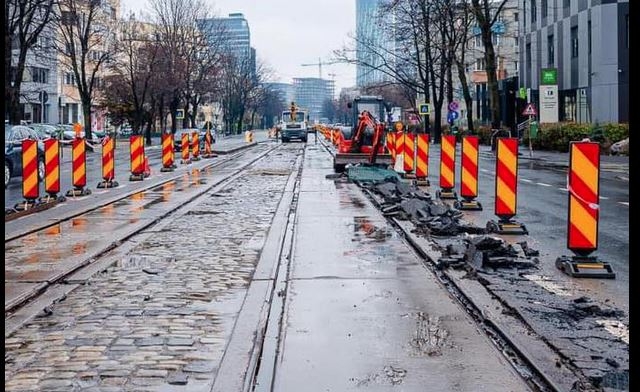
Reabilitarea infrastructurii de transport din București se confruntă cu provocări semnificative, iar gestionarea acestor lucrări stârnește nemulțumiri în rândul cetățenilor. Modern, Primăria Municipiului București a anunțat că circulația mijloacelor de transport în comun va fi afectată de lucrările de reabilitare a mai multor șantiere. Astfel, șase linii de tramvai au fost suspendate, iar alte cinci au fost deviate, ceea ce a dus la crearea a șase linii temporare. Lucrările se desfășoară pe Bulevardul 1 Decembrie 1918, Calea Șerban Vodă, Strada Nerva Traian, Bulevardul Lacul Tei, Șoseaua Petricani, Bulevardul Dimitrie Pompeiu, Bulevardul Basarabia și Calea Călărași, cu menținerea circulației rutiere pe o singură bandă pe sens.

Nemulțumirea cetățenilor nu provine din necesitatea reparațiilor, ci din lipsa de comunicare și informații cu privire la modificările de traseu. Mulți oameni nu au fost informați din timp despre necesitatea de a-și ajusta rutele zilnice, ceea ce a generat confuzie și frustrare. De asemenea, deschiderea simultană a mai multor șantiere pe cei 50 de kilometri de șină de tramvai riscă să agraveze ambuteiajele din oraș.

Ionuț Ciurea, directorul Asociației Pro Infrastructura, a subliniat că, deși nemulțumirile cetățenilor sunt justificate, Primăria nu mai poate amâna lucrările, unele dintre ele fiind deja întârziate. El a explicat că infrastructura existentă este extrem de degradată și necesită reabilitare urgentă, ceea ce va implica lucrări de lungă durată, de la 1 la 2 ani. Cetățenii trebuie să aibă răbdare, însă este esențial ca autoritățile să comunice mai eficient.

Un alt aspect important este că parcul de autobuze al Societății de Transport București (STB) nu este suficient pentru a prelua fluxul de pasageri generat de suspendarea liniilor de tramvai. Aceasta va duce la aglomerări în timpul orelor de vârf, iar autobuzele vor rămâne blocate în trafic, spre deosebire de tramvaie, care circulau pe trasee dedicate.

De asemenea, siguranța pasagerilor este o preocupare majoră. Anul trecut, au fost înregistrate incidente grave cauzate de degradarea liniilor de tramvai, ceea ce subliniază urgența reabilitării acestora. Experții consideră că autoritățile ar fi trebuit să suspendă traficul pe anumite linii Mult mai devreme, având în vedere riscurile implicate.

În concluzie, reabilitarea infrastructurii de transport din București este o necesitate urgentă, dar gestionarea acestor lucrări trebuie să fie însoțită de o comunicare clară și eficientă cu cetățenii. Aceștia au dreptul să fie informați cu privire la modificările de traseu și la durata lucrărilor, pentru a putea planifica mai Bine călătoriile zilnice. Numai printr-o abordare transparentă și responsabilă se poate diminua frustrarea și confuzia generată de aceste schimbări.

Vino și explorează conținutul generat de inteligența artificială pe dbnews.ro și lasă-te uimit de potențialul acestei tehnologii. Este viitorul conținutului, disponibil chiar acum la un click distanță!

Lasă un răspuns

Adresa ta de email nu va fi publicată. Câmpurile obligatorii sunt marcate cu *

We use cookies to personalise content and ads, to provide social media features and to analyse our traffic. We also share information about your use of our site with our social media, advertising and analytics partners. View more
Cookies settings
Accept
Decline
Privacy & Cookie policy
Privacy & Cookies policy
Cookie name Active

Who we are

Suggested text: Our website address is: http://1db.ro.

Comments

Suggested text: When visitors leave comments on the site we collect the data shown in the comments form, and also the visitor’s IP address and browser user agent string to help spam detection. An anonymized string created from your email address (also called a hash) may be provided to the Gravatar service to see if you are using it. The Gravatar service privacy policy is available here: https://automattic.com/privacy/. After approval of your comment, your profile picture is visible to the public in the context of your comment.

Media

Suggested text: If you upload images to the website, you should avoid uploading images with embedded location data (EXIF GPS) included. Visitors to the website can download and extract any location data from images on the website.

Cookies

Suggested text: If you leave a comment on our site you may opt-in to saving your name, email address and website in cookies. These are for your convenience so that you do not have to fill in your details again when you leave another comment. These cookies will last for one year. If you visit our login page, we will set a temporary cookie to determine if your browser accepts cookies. This cookie contains no personal data and is discarded when you close your browser. When you log in, we will also set up several cookies to save your login information and your screen display choices. Login cookies last for two days, and screen options cookies last for a year. If you select "Remember Me", your login will persist for two weeks. If you log out of your account, the login cookies will be removed. If you edit or publish an article, an additional cookie will be saved in your browser. This cookie includes no personal data and simply indicates the post ID of the article you just edited. It expires after 1 day.

Embedded content from other websites

Suggested text: Articles on this site may include embedded content (e.g. videos, images, articles, etc.). Embedded content from other websites behaves in the exact same way as if the visitor has visited the other website. These websites may collect data about you, use cookies, embed additional third-party tracking, and monitor your interaction with that embedded content, including tracking your interaction with the embedded content if you have an account and are logged in to that website.

Who we share your data with

Suggested text: If you request a password reset, your IP address will be included in the reset email.

How long we retain your data

Suggested text: If you leave a comment, the comment and its metadata are retained indefinitely. This is so we can recognize and approve any follow-up comments automatically instead of holding them in a moderation queue. For users that register on our website (if any), we also store the personal information they provide in their user profile. All users can see, edit, or delete their personal information at any time (except they cannot change their username). Website administrators can also see and edit that information.

What rights you have over your data

Suggested text: If you have an account on this site, or have left comments, you can request to receive an exported file of the personal data we hold about you, including any data you have provided to us. You can also request that we erase any personal data we hold about you. This does not include any data we are obliged to keep for administrative, legal, or security purposes.

Where your data is sent

Suggested text: Visitor comments may be checked through an automated spam detection service.
Save settings
Cookies settings