
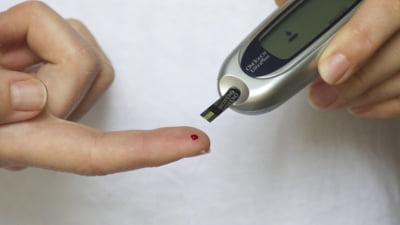
Diabetul de tip 2: Poate fi inversat?

Diabetul de tip 2: Poate fi inversat?

Diabetul zaharat de tip 2 afectează din ce în ce mai mulți copii și adulți, iar specialiștii avertizează asupra creșterii alarmante a acestei afecțiuni. Conform Organizației Mondiale a Sănătății, aproximativ 830 de milioane de persoane din întreaga lume suferă de diabet, iar diabetul de tip 2 este cel mai frecvent tip, în special în rândul adulților. Această formă de diabet apare atunci când organismul devine puternic la insulină sau nu produce suficientă insulină, iar prevalența obezității contribuie semnificativ la această problemă globală.

Cercetările sugerează că majoritatea cazurilor de diabet de tip 2 pot fi prevenite prin modificări ale stilului de viață. Dar întrebarea care se pune este: putem inversa această afecțiune odată ce a fost diagnosticată? Dr. Gerald I. Shulman, profesor de medicină la Yale, afirmă că răspunsul este afirmativ. El explică faptul că rezistența la insulină este principalul factor care determină apariția diabetului zaharat de tip 2. „Dacă reușim să inversăm rezistența la insulină, putem inversa și diabetul zaharat de tip 2”, subliniază medicul.

Un studiu important realizat de dr. Shulman și dr. Kitt Petersen a demonstrat că o pierdere modestă în greutate, chiar și de 10%, poate ajuta la inversarea acestei afecțiuni. Deși multe persoane reușesc să piardă în greutate, este frecvent ca acestea să recâștige kilogramele pierdute. Medicamentele recente anti-obezitate, cum ar fi cele din clasa GLP-1, pot fi esențiale în menținerea unei greutăți sănătoase pe termen lung, contribuind astfel la gestionarea diabetului și a altor afecțiuni asociate.

Pentru majoritatea oamenilor, inversarea diabetului zaharat de tip 2 implică atingerea unei greutăți sănătoase, exerciții fizice regulate și reducerea consumului de zaharuri și carbohidrați. Specialiștii subliniază că gestionarea eficientă a diabetului are implicații semnificative asupra sănătății generale. Nivelurile ridicate de zahăr din sânge pot provoca daune severe, afectând vederea, nervii, inima și funcția renală.

Dr. Shulman menționează că, prin tratarea diabetului, se poate reduce riscul de complicații grave, precum orbirea și boala renală în stadiu terminal. În plus, abordarea cauzelor fundamentale ale diabetului, cum ar fi rezistența la insulină, nu doar că ajută la inversarea afecțiunii, ci și la prevenirea altor probleme de sănătate, inclusiv bolile de inimă și anumite tipuri de cancer. Astfel, prevenirea și gestionarea diabetului zaharat de tip 2 devin esențiale pentru menținerea unei sănătăți optime pe termen lung.

Vino și explorează conținutul generat de inteligența artificială pe dbnews.ro și lasă-te uimit de potențialul acestei tehnologii. Este viitorul conținutului, disponibil chiar acum la un click distanță!

Lasă un răspuns

Adresa ta de email nu va fi publicată. Câmpurile obligatorii sunt marcate cu *

We use cookies to personalise content and ads, to provide social media features and to analyse our traffic. We also share information about your use of our site with our social media, advertising and analytics partners. View more
Cookies settings
Accept
Decline
Privacy & Cookie policy
Privacy & Cookies policy
Cookie name Active

Who we are

Suggested text: Our website address is: http://1db.ro.

Comments

Suggested text: When visitors leave comments on the site we collect the data shown in the comments form, and also the visitor’s IP address and browser user agent string to help spam detection. An anonymized string created from your email address (also called a hash) may be provided to the Gravatar service to see if you are using it. The Gravatar service privacy policy is available here: https://automattic.com/privacy/. After approval of your comment, your profile picture is visible to the public in the context of your comment.

Media

Suggested text: If you upload images to the website, you should avoid uploading images with embedded location data (EXIF GPS) included. Visitors to the website can download and extract any location data from images on the website.

Cookies

Suggested text: If you leave a comment on our site you may opt-in to saving your name, email address and website in cookies. These are for your convenience so that you do not have to fill in your details again when you leave another comment. These cookies will last for one year. If you visit our login page, we will set a temporary cookie to determine if your browser accepts cookies. This cookie contains no personal data and is discarded when you close your browser. When you log in, we will also set up several cookies to save your login information and your screen display choices. Login cookies last for two days, and screen options cookies last for a year. If you select "Remember Me", your login will persist for two weeks. If you log out of your account, the login cookies will be removed. If you edit or publish an article, an additional cookie will be saved in your browser. This cookie includes no personal data and simply indicates the post ID of the article you just edited. It expires after 1 day.

Embedded content from other websites

Suggested text: Articles on this site may include embedded content (e.g. videos, images, articles, etc.). Embedded content from other websites behaves in the exact same way as if the visitor has visited the other website. These websites may collect data about you, use cookies, embed additional third-party tracking, and monitor your interaction with that embedded content, including tracking your interaction with the embedded content if you have an account and are logged in to that website.

Who we share your data with

Suggested text: If you request a password reset, your IP address will be included in the reset email.

How long we retain your data

Suggested text: If you leave a comment, the comment and its metadata are retained indefinitely. This is so we can recognize and approve any follow-up comments automatically instead of holding them in a moderation queue. For users that register on our website (if any), we also store the personal information they provide in their user profile. All users can see, edit, or delete their personal information at any time (except they cannot change their username). Website administrators can also see and edit that information.

What rights you have over your data

Suggested text: If you have an account on this site, or have left comments, you can request to receive an exported file of the personal data we hold about you, including any data you have provided to us. You can also request that we erase any personal data we hold about you. This does not include any data we are obliged to keep for administrative, legal, or security purposes.

Where your data is sent

Suggested text: Visitor comments may be checked through an automated spam detection service.
Save settings
Cookies settings