
Descoperire despre Armagedon și Apocalipsă

Descoperire despre Armagedon și Apocalipsă

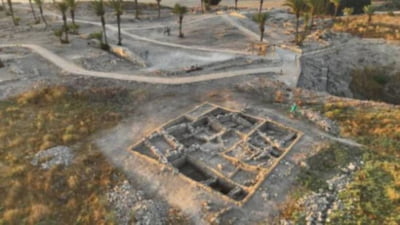
Descoperirile arheologice recente din orașul antic Megiddo, situat în nordul Israelului, aduc noi dovezi care confirmă evenimentele istorice menționate în Biblie, legate de bătălia finală a Armagedonului. Aceste dovezi sugerează că, cu mai bine de 2.600 de ani în urmă, regele Iosia al Regatului Iudeei s-a confruntat cu faraonul egiptean Necho al II-lea în această zonă, un conflict descris în detaliu în Cartea Cronicilor.

Cercetătorii, conduși de arheologul Israel Finkelstein de la Universitatea din Haifa și Universitatea din Tel Aviv, au analizat fragmente de ceramică descoperite în timpul săpăturilor. Aceste fragmente, datând din secolul al VII-lea î.Hr., demonstrează că Megiddo era ocupat de egipteni în acea perioadă, susținând astfel relatările biblice despre prezența forțelor egiptene în zonă. Finkelstein și echipa sa au publicat rezultatele cercetărilor în The Scandinavian Journal of the Old Testament, evidențiind stilul și tipul de lut utilizat pentru ceramică, ceea ce le-a permis să determine originea acestora.

Conform Bibliei, regele Iosia a fost implicat într-o confruntare crucială cu Necho, dar detaliile despre soarta sa rămân neclare. Este discutabil dacă a murit din cauza rănilor suferite în bătălie sau a fost executat din cauza opoziției sale față de faraon. Această moarte a fost interpretată ca un semn prevestitor al căderii Ierusalimului în fața neo-babilonienilor, care au distrus Templul lui Solomon și au dus la exilul multor israelieni.

Arheologul Assaf Kleiman, coautor al studiului, subliniază că evenimentul de la Megiddo este relatat în mod diferit în Biblie, fiind descris atât ca o execuție, cât și ca o bătălie decisivă. Această discrepanță sugerează că sursele istorice pot fi interpretate în moduri variate, iar relatarea din Cartea Regilor, scrisă mai Iminent de evenimente, ar putea fi considerată mai credibilă.

Ruinele din Megiddo, situate într-un parc național, sunt un important sit arheologic, având o istorie bogată, fiind ocupat de diverse civilizații de-a lungul timpului. Numele Megiddo este asociat cu conceptul de Armagedon, locul în care se crede că va avea loc bătălia finală între ok și negativ, așa cum este descris în Cartea Apocalipsei. Această legătură între evenimentele istorice și profețiile biblice a dus la o interpretare profundă a locului ca simbol al confruntării finale dintre divinitate și forțele întunericului.


Vino și explorează conținutul generat de inteligența artificială pe dbnews.ro și lasă-te uimit de potențialul acestei tehnologii. Este viitorul conținutului, disponibil chiar acum la un click distanță!

Lasă un răspuns

Adresa ta de email nu va fi publicată. Câmpurile obligatorii sunt marcate cu *

We use cookies to personalise content and ads, to provide social media features and to analyse our traffic. We also share information about your use of our site with our social media, advertising and analytics partners. View more
Cookies settings
Accept
Decline
Privacy & Cookie policy
Privacy & Cookies policy
Cookie name Active

Who we are

Suggested text: Our website address is: http://1db.ro.

Comments

Suggested text: When visitors leave comments on the site we collect the data shown in the comments form, and also the visitor’s IP address and browser user agent string to help spam detection. An anonymized string created from your email address (also called a hash) may be provided to the Gravatar service to see if you are using it. The Gravatar service privacy policy is available here: https://automattic.com/privacy/. After approval of your comment, your profile picture is visible to the public in the context of your comment.

Media

Suggested text: If you upload images to the website, you should avoid uploading images with embedded location data (EXIF GPS) included. Visitors to the website can download and extract any location data from images on the website.

Cookies

Suggested text: If you leave a comment on our site you may opt-in to saving your name, email address and website in cookies. These are for your convenience so that you do not have to fill in your details again when you leave another comment. These cookies will last for one year. If you visit our login page, we will set a temporary cookie to determine if your browser accepts cookies. This cookie contains no personal data and is discarded when you close your browser. When you log in, we will also set up several cookies to save your login information and your screen display choices. Login cookies last for two days, and screen options cookies last for a year. If you select "Remember Me", your login will persist for two weeks. If you log out of your account, the login cookies will be removed. If you edit or publish an article, an additional cookie will be saved in your browser. This cookie includes no personal data and simply indicates the post ID of the article you just edited. It expires after 1 day.

Embedded content from other websites

Suggested text: Articles on this site may include embedded content (e.g. videos, images, articles, etc.). Embedded content from other websites behaves in the exact same way as if the visitor has visited the other website. These websites may collect data about you, use cookies, embed additional third-party tracking, and monitor your interaction with that embedded content, including tracking your interaction with the embedded content if you have an account and are logged in to that website.

Who we share your data with

Suggested text: If you request a password reset, your IP address will be included in the reset email.

How long we retain your data

Suggested text: If you leave a comment, the comment and its metadata are retained indefinitely. This is so we can recognize and approve any follow-up comments automatically instead of holding them in a moderation queue. For users that register on our website (if any), we also store the personal information they provide in their user profile. All users can see, edit, or delete their personal information at any time (except they cannot change their username). Website administrators can also see and edit that information.

What rights you have over your data

Suggested text: If you have an account on this site, or have left comments, you can request to receive an exported file of the personal data we hold about you, including any data you have provided to us. You can also request that we erase any personal data we hold about you. This does not include any data we are obliged to keep for administrative, legal, or security purposes.

Where your data is sent

Suggested text: Visitor comments may be checked through an automated spam detection service.
Save settings
Cookies settings