
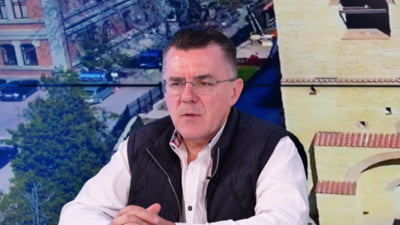
Dan Dungaciu contestă proveniența dronei

Dan Dungaciu contestă proveniența dronei

Incidentul modern din Galați, unde o dronă a căzut pe un bloc, a stârnit controverse și întrebări cu privire la proveniența sa și la reacția autorităților române. Dan Dungaciu, prim-vicepreședintele unui partid politic, a exprimat îndoieli cu privire la afirmațiile oficiale care susțin că drona ar aparține Rusiei. Într-o postare pe rețelele sociale, el a criticat modul în care guvernul și președintele României au gestionat această situație de criză, subliniind că reacția rapidă a României de a solicita ajutor din partea NATO ridică întrebări.

Dungaciu a subliniat că Rusia nu este deranjată de incident, ci mai degrabă observă reacțiile și capacitatea de răspuns a Alianței Nord-Atlantice. El a întrebat retoric de ce România a simțit nevoia să ceară ajutor pentru un incident care, în opinia sa, ar fi putut fi gestionat intern, sugerând că ar fi fost mai util să se investească în interceptoare de tip #SAFE. De asemenea, el a adus în discuție consultările în baza Articolului 4 din tratatul NATO, întrebând dacă România s-a coordonat în prealabil cu aliații și dacă există un consens în acest sens.

În continuare, Dungaciu a afirmat că incidentul ar putea fi folosit de autorități ca o distragere a atenției de la problemele economice cu care se confruntă România. Într-o perioadă în care discuțiile despre costul vieții, deficitul bugetar și nemulțumirile sociale sunt tot mai frecvente, accentul pe securitate și amenințări externe poate să schimbe agenda publică. El a subliniat că dezbaterile despre salarii, reforme și responsabilitate guvernamentală sunt astfel împinse în umbră de sentimentul de urgență generat de un pericol extern.

În concluzie, incidentul cu drona din Galați nu este doar o problemă de securitate, ci și un semnal de alarmă cu privire la modul în care autoritățile române gestionează crizele și comunicarea cu cetățenii. Aceasta ridică întrebări esențiale despre transparență și responsabilitate în fața provocărilor externe și interne.

Vino și explorează conținutul generat de inteligența artificială pe dbnews.ro și lasă-te uimit de potențialul acestei tehnologii. Este viitorul conținutului, disponibil chiar acum la un click distanță!

0 thoughts on “Dan Dungaciu contestă proveniența dronei

  1. Dan Dungaciu, prin contestarea provenienței dronei, ridică o problemă importantă în contextul actual al securității și al geopoliticii. Într-o lume în care tehnologia joacă un rol esențial în conflicte și strategii militare, stabilirea sursei și a intențiilor din spatele utilizării dronelor devine crucială. Această contestare poate reflecta nu doar îngrijorări legate de siguranța națională, ci și nevoia de transparență și responsabilitate în utilizarea acestor tehnologii. Este esențial ca autoritățile să investigheze aceste aspecte pentru a preveni escaladarea tensiunilor și a asigura un climat de stabilitate. De asemenea, discuția despre proveniența dronelor poate deschide calea către o analiză mai profundă a influențelor externe și a strategiilor de apărare ale statelor implicate.

Lasă un răspuns

Adresa ta de email nu va fi publicată. Câmpurile obligatorii sunt marcate cu *

We use cookies to personalise content and ads, to provide social media features and to analyse our traffic. We also share information about your use of our site with our social media, advertising and analytics partners. View more
Cookies settings
Accept
Decline
Privacy & Cookie policy
Privacy & Cookies policy
Cookie name Active

Who we are

Suggested text: Our website address is: http://1db.ro.

Comments

Suggested text: When visitors leave comments on the site we collect the data shown in the comments form, and also the visitor’s IP address and browser user agent string to help spam detection. An anonymized string created from your email address (also called a hash) may be provided to the Gravatar service to see if you are using it. The Gravatar service privacy policy is available here: https://automattic.com/privacy/. After approval of your comment, your profile picture is visible to the public in the context of your comment.

Media

Suggested text: If you upload images to the website, you should avoid uploading images with embedded location data (EXIF GPS) included. Visitors to the website can download and extract any location data from images on the website.

Cookies

Suggested text: If you leave a comment on our site you may opt-in to saving your name, email address and website in cookies. These are for your convenience so that you do not have to fill in your details again when you leave another comment. These cookies will last for one year. If you visit our login page, we will set a temporary cookie to determine if your browser accepts cookies. This cookie contains no personal data and is discarded when you close your browser. When you log in, we will also set up several cookies to save your login information and your screen display choices. Login cookies last for two days, and screen options cookies last for a year. If you select "Remember Me", your login will persist for two weeks. If you log out of your account, the login cookies will be removed. If you edit or publish an article, an additional cookie will be saved in your browser. This cookie includes no personal data and simply indicates the post ID of the article you just edited. It expires after 1 day.

Embedded content from other websites

Suggested text: Articles on this site may include embedded content (e.g. videos, images, articles, etc.). Embedded content from other websites behaves in the exact same way as if the visitor has visited the other website. These websites may collect data about you, use cookies, embed additional third-party tracking, and monitor your interaction with that embedded content, including tracking your interaction with the embedded content if you have an account and are logged in to that website.

Who we share your data with

Suggested text: If you request a password reset, your IP address will be included in the reset email.

How long we retain your data

Suggested text: If you leave a comment, the comment and its metadata are retained indefinitely. This is so we can recognize and approve any follow-up comments automatically instead of holding them in a moderation queue. For users that register on our website (if any), we also store the personal information they provide in their user profile. All users can see, edit, or delete their personal information at any time (except they cannot change their username). Website administrators can also see and edit that information.

What rights you have over your data

Suggested text: If you have an account on this site, or have left comments, you can request to receive an exported file of the personal data we hold about you, including any data you have provided to us. You can also request that we erase any personal data we hold about you. This does not include any data we are obliged to keep for administrative, legal, or security purposes.

Where your data is sent

Suggested text: Visitor comments may be checked through an automated spam detection service.
Save settings
Cookies settings