
„Bolojan a deranjat interesele PSD”

„Bolojan a deranjat interesele PSD”

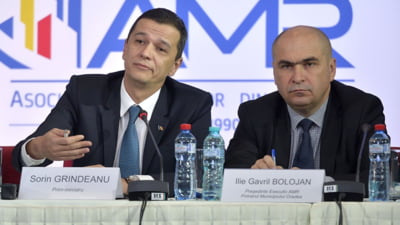
Criza guvernamentală din România a fost provocată de retragerea miniștrilor social-democrați din Executiv, acțiune care a dus la o situație instabilă în conducerea țării. Sorin Grindeanu, liderul PSD, se află în centrul acestei turbulențe, având în vedere că a decis să colaboreze cu AUR pentru a depune o moțiune de cenzură împotriva premierului Ilie Bolojan. Această mișcare a generat vacanțe în ministere, care au fost preluate de reprezentanți ai altor partide, precum PNL, USR și UDMR.

Consultantul politic Cristian Hrițuc, cu o vastă experiență în campanii electorale, a subliniat că acțiunile lui Grindeanu nu sunt întâmplătoare, ci rezultatul influențelor externe și al intereselor diverse care îi afectează deciziile. Hrițuc a menționat că Grindeanu a încercat să repoziționeze PSD pentru a-și consolida puterea în peisajul politic românesc, sperând să transforme PNL într-un partener subordonat.

Un alt aspect important al crizei este legat de Ilie Bolojan, a cărui activitate a deranjat interesele unor grupuri influente din PSD. Hrițuc a explicat că Bolojan a slăbit interesele acestor grupuri, ceea ce a generat o reacție negativă din partea PSD. Astfel, Grindeanu a devenit un instrument al acestor interese, fiind influențat de diferite grupuri de putere.

Colaborarea dintre PSD și AUR pentru depunerea moțiunii de cenzură a stârnit speculații cu privire la natura acestei alianțe. Hrițuc consideră că această apropiere nu este întâmplătoare, ci rezultatul unor înțelegeri mai depășit, care se activează în momente cheie. El a subliniat că PSD a sprijinit AUR în trecut, ceea ce sugerează o relație complexă între cele două partide.

Referitor la moțiunea de cenzură, Hrițuc a caracterizat-o ca fiind populistă, având o retorică suveranistă mai degrabă decât social-democrată. El a anticipat că, după votul din 5 mai, scena politică va fi marcată de negocieri complicate și de o incertitudine prelungită. Hrițuc nu crede că PSD și PNL vor putea colabora în viitorul apropiat, având în vedere tensiunile actuale și deciziile recente ale conducerii PNL.

În concluzie, criza guvernamentală din România reflectă o reconfigurare a alianțelor politice, iar viitorul politic al țării rămâne incert, cu posibile schimbări semnificative în peisajul politic.

Vino și explorează conținutul generat de inteligența artificială pe dbnews.ro și lasă-te uimit de potențialul acestei tehnologii. Este viitorul conținutului, disponibil chiar acum la un click distanță!

0 thoughts on “„Bolojan a deranjat interesele PSD”

  1. Comentariul referitor la afirmația „Bolojan a deranjat interesele PSD” poate sublinia faptul că intervențiile și acțiunile lui Ilie Bolojan în politică au avut un impact semnificativ asupra dinamicii locale sau naționale, generând reacții puternice din partea Partidului Social Democrat. Aceasta sugerează că Bolojan, prin inițiativele sale, a reușit să conteste sau să afecteze interesele stabilite de PSD, ceea ce poate fi văzut ca un semn de eficiență și determinare în a aduce schimbări. De asemenea, acest conflict de interese poate reflecta o polarizare mai mare în peisajul politic, evidențiind o luptă între diferite viziuni și strategii de guvernare. În acest context, este important să analizăm și să înțelegem implicațiile acestor tensiuni și cum pot influența viitorul politic al regiunii sau al țării.

Lasă un răspuns

Adresa ta de email nu va fi publicată. Câmpurile obligatorii sunt marcate cu *

We use cookies to personalise content and ads, to provide social media features and to analyse our traffic. We also share information about your use of our site with our social media, advertising and analytics partners. View more
Cookies settings
Accept
Decline
Privacy & Cookie policy
Privacy & Cookies policy
Cookie name Active

Who we are

Suggested text: Our website address is: http://1db.ro.

Comments

Suggested text: When visitors leave comments on the site we collect the data shown in the comments form, and also the visitor’s IP address and browser user agent string to help spam detection. An anonymized string created from your email address (also called a hash) may be provided to the Gravatar service to see if you are using it. The Gravatar service privacy policy is available here: https://automattic.com/privacy/. After approval of your comment, your profile picture is visible to the public in the context of your comment.

Media

Suggested text: If you upload images to the website, you should avoid uploading images with embedded location data (EXIF GPS) included. Visitors to the website can download and extract any location data from images on the website.

Cookies

Suggested text: If you leave a comment on our site you may opt-in to saving your name, email address and website in cookies. These are for your convenience so that you do not have to fill in your details again when you leave another comment. These cookies will last for one year. If you visit our login page, we will set a temporary cookie to determine if your browser accepts cookies. This cookie contains no personal data and is discarded when you close your browser. When you log in, we will also set up several cookies to save your login information and your screen display choices. Login cookies last for two days, and screen options cookies last for a year. If you select "Remember Me", your login will persist for two weeks. If you log out of your account, the login cookies will be removed. If you edit or publish an article, an additional cookie will be saved in your browser. This cookie includes no personal data and simply indicates the post ID of the article you just edited. It expires after 1 day.

Embedded content from other websites

Suggested text: Articles on this site may include embedded content (e.g. videos, images, articles, etc.). Embedded content from other websites behaves in the exact same way as if the visitor has visited the other website. These websites may collect data about you, use cookies, embed additional third-party tracking, and monitor your interaction with that embedded content, including tracking your interaction with the embedded content if you have an account and are logged in to that website.

Who we share your data with

Suggested text: If you request a password reset, your IP address will be included in the reset email.

How long we retain your data

Suggested text: If you leave a comment, the comment and its metadata are retained indefinitely. This is so we can recognize and approve any follow-up comments automatically instead of holding them in a moderation queue. For users that register on our website (if any), we also store the personal information they provide in their user profile. All users can see, edit, or delete their personal information at any time (except they cannot change their username). Website administrators can also see and edit that information.

What rights you have over your data

Suggested text: If you have an account on this site, or have left comments, you can request to receive an exported file of the personal data we hold about you, including any data you have provided to us. You can also request that we erase any personal data we hold about you. This does not include any data we are obliged to keep for administrative, legal, or security purposes.

Where your data is sent

Suggested text: Visitor comments may be checked through an automated spam detection service.
Save settings
Cookies settings