
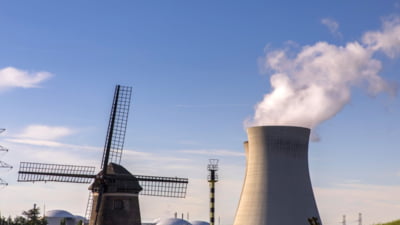
Belgia naționalizează centralele nucleare

Belgia naționalizează centralele nucleare

Guvernul belgian a inițiat negocieri cu compania Engie pentru a prelua controlul asupra tuturor centralelor nucleare din țară, o decizie menită să prevină închiderea acestora. Această schimbare de direcție în politica energetică a Belgiei vine pe fondul crizei energetice generate de conflictele internaționale, în special războiul din Iran. Premierul Bart De Wever a subliniat că prin extinderea utilizării energiei nucleare, Belgia își va reduce dependența de importurile de hidrocarburi.

Negocierile vizează toate cele șapte reactoare nucleare deținute de Engie, inclusiv cele patru de la Doel și cele trei de la Tihange. În acest context, guvernul a decis să suspende imediat toate lucrările de dezafectare și demontare care erau în curs de desfășurare la aceste centrale. Această mișcare reflectă ambiția autorităților de a prelungi durata de viață a reactoarelor existente și, eventual, de a dezvolta noi capacități nucleare în Belgia.

Acordul juvenil este în stadiul de scrisoare de intenție, iar statul belgian va efectua o evaluare detaliată a activităților nucleare deținute de Engie. Ambele părți își propun să ajungă la un acord mai amplu până la 1 octombrie 2026, dar tranzacția finală va necesita aprobarea autorităților de reglementare, inclusiv din partea Agenției Federale pentru Control Nuclear (FANC).

Suspendarea lucrărilor de dezafectare este semnificativă, având în vedere că unele reactoare, cum ar fi Tihange 1, erau deja în proces de demontare. Acest reactor are șanse mari de a fi repornit, conform evaluărilor oficiale. În timpul negocierilor, statul belgian va compensa Engie pentru costurile deja suportate în legătură cu dezafectarea.

Această inițiativă marchează o schimbare radicală în politica energetică a Belgiei, care, sub guvernul anterior, a convenit cu Engie să elimine treptat capacitatea nucleară. Noul plan preconizează ca statul să preia nu doar reactoarele active, ci și cele oprite, personalul și infrastructura asociată.

Guvernul belgian își propune să obțină un control mai lichid asupra securității energetice pe termen extins, în contextul creșterii prețurilor energiei și a dependenței de combustibilii fosili importați. Această preluare ar putea oferi statului controlul asupra amplasamentului Doel 5, o locație considerată potrivită pentru construirea de noi reactoare nucleare în viitor. Discuțiile actuale vin ca urmare a tensiunilor dintre Engie și guvern cu privire la costurile estimate ale dezafectării parcului nuclear, Engie contestând proiecțiile care sugerează o creștere semnificativă a cheltuielilor.


Vino și explorează conținutul generat de inteligența artificială pe dbnews.ro și lasă-te uimit de potențialul acestei tehnologii. Este viitorul conținutului, disponibil chiar acum la un click distanță!

Lasă un răspuns

Adresa ta de email nu va fi publicată. Câmpurile obligatorii sunt marcate cu *

We use cookies to personalise content and ads, to provide social media features and to analyse our traffic. We also share information about your use of our site with our social media, advertising and analytics partners. View more
Cookies settings
Accept
Decline
Privacy & Cookie policy
Privacy & Cookies policy
Cookie name Active

Who we are

Suggested text: Our website address is: http://1db.ro.

Comments

Suggested text: When visitors leave comments on the site we collect the data shown in the comments form, and also the visitor’s IP address and browser user agent string to help spam detection. An anonymized string created from your email address (also called a hash) may be provided to the Gravatar service to see if you are using it. The Gravatar service privacy policy is available here: https://automattic.com/privacy/. After approval of your comment, your profile picture is visible to the public in the context of your comment.

Media

Suggested text: If you upload images to the website, you should avoid uploading images with embedded location data (EXIF GPS) included. Visitors to the website can download and extract any location data from images on the website.

Cookies

Suggested text: If you leave a comment on our site you may opt-in to saving your name, email address and website in cookies. These are for your convenience so that you do not have to fill in your details again when you leave another comment. These cookies will last for one year. If you visit our login page, we will set a temporary cookie to determine if your browser accepts cookies. This cookie contains no personal data and is discarded when you close your browser. When you log in, we will also set up several cookies to save your login information and your screen display choices. Login cookies last for two days, and screen options cookies last for a year. If you select "Remember Me", your login will persist for two weeks. If you log out of your account, the login cookies will be removed. If you edit or publish an article, an additional cookie will be saved in your browser. This cookie includes no personal data and simply indicates the post ID of the article you just edited. It expires after 1 day.

Embedded content from other websites

Suggested text: Articles on this site may include embedded content (e.g. videos, images, articles, etc.). Embedded content from other websites behaves in the exact same way as if the visitor has visited the other website. These websites may collect data about you, use cookies, embed additional third-party tracking, and monitor your interaction with that embedded content, including tracking your interaction with the embedded content if you have an account and are logged in to that website.

Who we share your data with

Suggested text: If you request a password reset, your IP address will be included in the reset email.

How long we retain your data

Suggested text: If you leave a comment, the comment and its metadata are retained indefinitely. This is so we can recognize and approve any follow-up comments automatically instead of holding them in a moderation queue. For users that register on our website (if any), we also store the personal information they provide in their user profile. All users can see, edit, or delete their personal information at any time (except they cannot change their username). Website administrators can also see and edit that information.

What rights you have over your data

Suggested text: If you have an account on this site, or have left comments, you can request to receive an exported file of the personal data we hold about you, including any data you have provided to us. You can also request that we erase any personal data we hold about you. This does not include any data we are obliged to keep for administrative, legal, or security purposes.

Where your data is sent

Suggested text: Visitor comments may be checked through an automated spam detection service.
Save settings
Cookies settings