
Bărbat amendat pentru telefonul pe difuzor

Bărbat amendat pentru telefonul pe difuzor

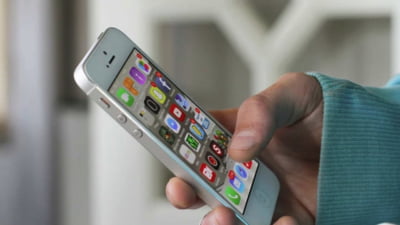
Un incident Nou în Franța a stârnit controverse legate de utilizarea telefoanelor mobile în locuri publice. Un bărbat pe nume David a fost amendat cu 200 de euro pentru că vorbea la telefon pe speaker într-o gară din Nantes. Potrivit declarațiilor sale, el discuta cu sora sa când un angajat al SNCF, compania națională de căi ferate, s-a apropiat de el și i-a spus că va fi sancționat cu 150 de euro dacă nu oprește apelul pe difuzor. David susține că amenda a fost ulterior majorată la 200 de euro, deoarece nu a plătit pe loc. Acum, el a decis să conteste această sancțiune în instanță, angajând un avocat pentru a-și susține cazul.

SNCF a confirmat că bărbatul a fost amendat de personalul său de securitate, dar contestă unele detalii ale relatării sale. Compania a descris incidentul ca fiind o „interacțiune crescândă” între pasager și angajat, menționând că David a închis telefonul doar după ce a fost informat despre amendă, crezând că este o glumă. De asemenea, SNCF a explicat că amenda a crescut deoarece bărbatul a refuzat să plătească pe loc.

Deși nu există o lege națională în Franța care să interzică utilizarea telefoanelor mobile pe speaker în locuri publice, reglementările privind controlul zgomotului permit sancționarea celor care deranjează liniștea celorlalți. Conform Codului francez al transporturilor, utilizarea „dispozitivelor sau instrumentelor sonore” în zonele de transport public poate atrage amenzi.

Percepția publicului asupra comportamentului în locuri publice este, de asemenea, un aspect important. Sondajele arată că majoritatea oamenilor consideră vorbitul la telefon cu voce tare în public ca fiind inacceptabil. De exemplu, un studiu realizat de YouGov a arătat că 86% dintre respondenți consideră că utilizarea difuzorului într-un mediu comun este inadecvată.

În alte țări, reglementările privind utilizarea telefoanelor mobile în transportul public variază. În Regatul Unit, de exemplu, utilizarea echipamentelor care produc galagios deranjant este interzisă, iar operatorii feroviari oferă adesea „vagoane liniștite” pentru pasagerii care doresc un mediu mai calm. În Italia, Trenitalia are zone speciale pentru călătorii care doresc să evite zgomotul, iar în Japonia, vorbitul la telefon în trenuri este considerat nepoliticos și este descurajat prin norme culturale stricte.

Această situație subliniază provocările cu care se confruntă societatea modernă în ceea ce privește utilizarea tehnologiei în spațiile publice și nevoia de a găsi un echilibru între confortul personal și respectul față de ceilalți.

Vino și explorează conținutul generat de inteligența artificială pe dbnews.ro și lasă-te uimit de potențialul acestei tehnologii. Este viitorul conținutului, disponibil chiar acum la un click distanță!

Lasă un răspuns

Adresa ta de email nu va fi publicată. Câmpurile obligatorii sunt marcate cu *

We use cookies to personalise content and ads, to provide social media features and to analyse our traffic. We also share information about your use of our site with our social media, advertising and analytics partners. View more
Cookies settings
Accept
Decline
Privacy & Cookie policy
Privacy & Cookies policy
Cookie name Active

Who we are

Suggested text: Our website address is: http://1db.ro.

Comments

Suggested text: When visitors leave comments on the site we collect the data shown in the comments form, and also the visitor’s IP address and browser user agent string to help spam detection. An anonymized string created from your email address (also called a hash) may be provided to the Gravatar service to see if you are using it. The Gravatar service privacy policy is available here: https://automattic.com/privacy/. After approval of your comment, your profile picture is visible to the public in the context of your comment.

Media

Suggested text: If you upload images to the website, you should avoid uploading images with embedded location data (EXIF GPS) included. Visitors to the website can download and extract any location data from images on the website.

Cookies

Suggested text: If you leave a comment on our site you may opt-in to saving your name, email address and website in cookies. These are for your convenience so that you do not have to fill in your details again when you leave another comment. These cookies will last for one year. If you visit our login page, we will set a temporary cookie to determine if your browser accepts cookies. This cookie contains no personal data and is discarded when you close your browser. When you log in, we will also set up several cookies to save your login information and your screen display choices. Login cookies last for two days, and screen options cookies last for a year. If you select "Remember Me", your login will persist for two weeks. If you log out of your account, the login cookies will be removed. If you edit or publish an article, an additional cookie will be saved in your browser. This cookie includes no personal data and simply indicates the post ID of the article you just edited. It expires after 1 day.

Embedded content from other websites

Suggested text: Articles on this site may include embedded content (e.g. videos, images, articles, etc.). Embedded content from other websites behaves in the exact same way as if the visitor has visited the other website. These websites may collect data about you, use cookies, embed additional third-party tracking, and monitor your interaction with that embedded content, including tracking your interaction with the embedded content if you have an account and are logged in to that website.

Who we share your data with

Suggested text: If you request a password reset, your IP address will be included in the reset email.

How long we retain your data

Suggested text: If you leave a comment, the comment and its metadata are retained indefinitely. This is so we can recognize and approve any follow-up comments automatically instead of holding them in a moderation queue. For users that register on our website (if any), we also store the personal information they provide in their user profile. All users can see, edit, or delete their personal information at any time (except they cannot change their username). Website administrators can also see and edit that information.

What rights you have over your data

Suggested text: If you have an account on this site, or have left comments, you can request to receive an exported file of the personal data we hold about you, including any data you have provided to us. You can also request that we erase any personal data we hold about you. This does not include any data we are obliged to keep for administrative, legal, or security purposes.

Where your data is sent

Suggested text: Visitor comments may be checked through an automated spam detection service.
Save settings
Cookies settings