
Atac ucrainean în Rusia cu arme NATO

Atac ucrainean în Rusia cu arme NATO

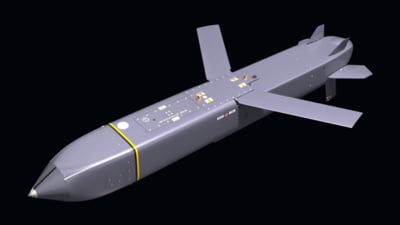
Războiul din Ucraina a intrat într-o nouă etapă, cu evenimente recente care sugerează o schimbare semnificativă pe câmpul de luptă. Ucraina a realizat un atac notabil folosind rachete avansate de tip SCALP, marcând astfel prima utilizare a acestor arme de către Forțele Aeriene Ucrainene în operațiuni împotriva Rusiei. Pe 14 aprilie 2026, avioanele ucrainene au atacat o bază rusească de drone situată în apropierea aeroportului Donețk, utilizând atât rachete de croazieră, cât și bombe de precizie.

Conform informațiilor disponibile, un avion AWACS al NATO a efectuat o misiune de recunoaștere din România înainte de atac, având rolul de a identifica țintele rusești. Rachetele SCALP, fabricate în Franța, au fost lansate împreună cu bombe GBU-39 din arsenalul american, având ca scop distrugerea unui depozit de drone și provocarea de daune semnificative infrastructurii rusești. Imaginile postate de Statul Major General al Ucrainei au arătat explozii devastatoare care au Bolnav grav clădirile țintă, sugerând o utilizare eficientă a tehnologiei avansate.

Atacul a vizat o unitate care opera drone Shahed, care au fost folosite anterior pentru a ataca ținte civile din Ucraina. Deși nu există confirmări oficiale ale impactului, surse din mass-media și analiști militari au raportat despre efectele devastatoare ale acestui atac. Rachetele SCALP, cunoscute pentru precizia lor, au fost transferate Ucrainei de către Franța în mai 2023, iar utilizarea lor în luptă a început în august 2023.

Aceste rachete sunt dotate cu capacități avansate de urmărire a terenului și sunt rezistente la bruiaj, ceea ce le face extrem de eficiente în condiții de război electronic. Raza de acțiune a acestor arme este de peste 250 de kilometri, ceea ce permite Ucrainei să lovească ținte strategice aflate la distanță considerabilă. În plus, atacul a fost susținut de utilizarea bombelor GBU-39, care sunt capabile să penetreze structuri solide, având o precizie deosebită.

În contextul acestor evenimente, prezența avioanelor de recunoaștere NATO în regiune a fost intensificată, ceea ce a generat acuzații din partea Kremlinului că Alianța ar folosi informațiile obținute pentru a sprijini Ucraina în identificarea și atacarea țintelor rusești. Această dinamică sugerează o escaladare a conflictului și o posibilă destabilizare a poziției lui Putin pe scena internațională. Războiul din Ucraina continuă să evolueze, iar utilizarea armelor avansate de către Ucraina ar putea schimba radical balanța puterii în regiune.


Vino și explorează conținutul generat de inteligența artificială pe dbnews.ro și lasă-te uimit de potențialul acestei tehnologii. Este viitorul conținutului, disponibil chiar acum la un click distanță!

Lasă un răspuns

Adresa ta de email nu va fi publicată. Câmpurile obligatorii sunt marcate cu *

We use cookies to personalise content and ads, to provide social media features and to analyse our traffic. We also share information about your use of our site with our social media, advertising and analytics partners. View more
Cookies settings
Accept
Decline
Privacy & Cookie policy
Privacy & Cookies policy
Cookie name Active

Who we are

Suggested text: Our website address is: http://1db.ro.

Comments

Suggested text: When visitors leave comments on the site we collect the data shown in the comments form, and also the visitor’s IP address and browser user agent string to help spam detection. An anonymized string created from your email address (also called a hash) may be provided to the Gravatar service to see if you are using it. The Gravatar service privacy policy is available here: https://automattic.com/privacy/. After approval of your comment, your profile picture is visible to the public in the context of your comment.

Media

Suggested text: If you upload images to the website, you should avoid uploading images with embedded location data (EXIF GPS) included. Visitors to the website can download and extract any location data from images on the website.

Cookies

Suggested text: If you leave a comment on our site you may opt-in to saving your name, email address and website in cookies. These are for your convenience so that you do not have to fill in your details again when you leave another comment. These cookies will last for one year. If you visit our login page, we will set a temporary cookie to determine if your browser accepts cookies. This cookie contains no personal data and is discarded when you close your browser. When you log in, we will also set up several cookies to save your login information and your screen display choices. Login cookies last for two days, and screen options cookies last for a year. If you select "Remember Me", your login will persist for two weeks. If you log out of your account, the login cookies will be removed. If you edit or publish an article, an additional cookie will be saved in your browser. This cookie includes no personal data and simply indicates the post ID of the article you just edited. It expires after 1 day.

Embedded content from other websites

Suggested text: Articles on this site may include embedded content (e.g. videos, images, articles, etc.). Embedded content from other websites behaves in the exact same way as if the visitor has visited the other website. These websites may collect data about you, use cookies, embed additional third-party tracking, and monitor your interaction with that embedded content, including tracking your interaction with the embedded content if you have an account and are logged in to that website.

Who we share your data with

Suggested text: If you request a password reset, your IP address will be included in the reset email.

How long we retain your data

Suggested text: If you leave a comment, the comment and its metadata are retained indefinitely. This is so we can recognize and approve any follow-up comments automatically instead of holding them in a moderation queue. For users that register on our website (if any), we also store the personal information they provide in their user profile. All users can see, edit, or delete their personal information at any time (except they cannot change their username). Website administrators can also see and edit that information.

What rights you have over your data

Suggested text: If you have an account on this site, or have left comments, you can request to receive an exported file of the personal data we hold about you, including any data you have provided to us. You can also request that we erase any personal data we hold about you. This does not include any data we are obliged to keep for administrative, legal, or security purposes.

Where your data is sent

Suggested text: Visitor comments may be checked through an automated spam detection service.
Save settings
Cookies settings