
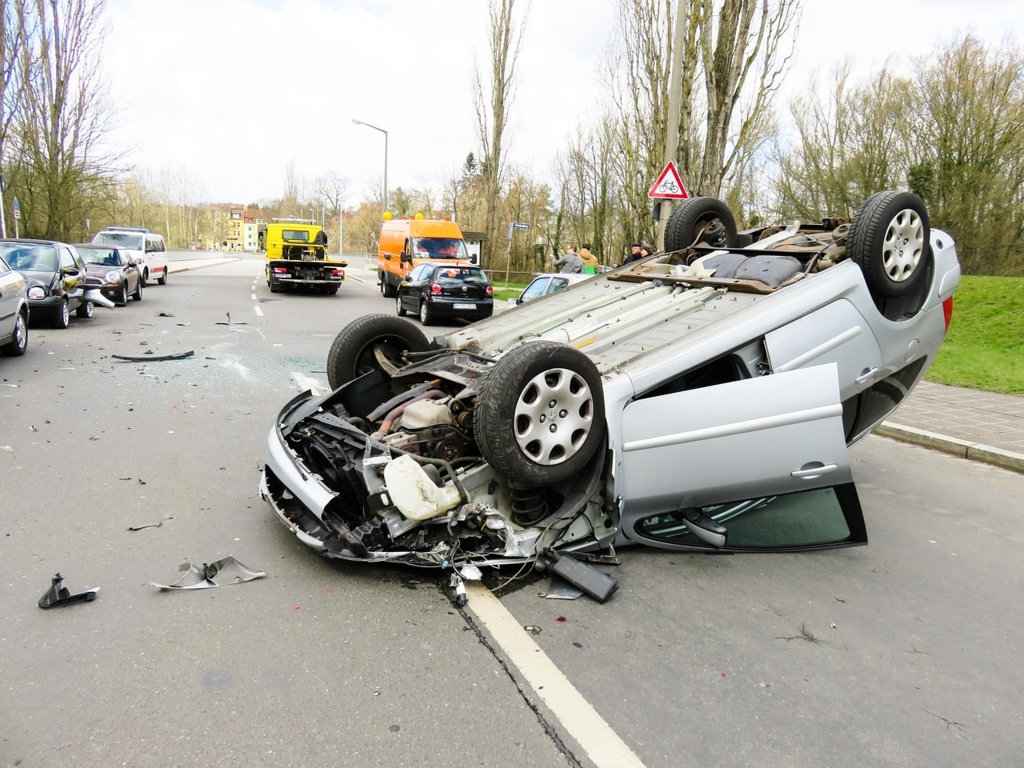
Responsabili pentru accidentele rutiere?

Responsabili pentru accidentele rutiere?

România se confruntă cu o criză severă în ceea ce privește siguranța rutieră, în ciuda investițiilor semnificative în infrastructura de transport. De-a lungul ultimilor 30 de ani, au fost absorbite fonduri europene pentru modernizarea drumurilor, însă numărul accidentelor mortale rămâne alarmant. În 2022, 1.293 de persoane și-au pierdut viața în accidente rutiere, ceea ce înseamnă o medie de peste 10 decese pe zi. România se află pe locul doi în Uniunea Europeană în ceea ce privește rata deceselor rutiere, cu 68 de decese la un milion de locuitori, comparativ cu media europeană de 46.

Cauzele acestor tragedii sunt variate și includ atât comportamentul șoferilor, cum ar fi viteza excesivă și neatenția, cât și starea precară a drumurilor. De exemplu, drumul E85, care leagă Capitala de Moldova, a fost denumit „Drumul morții” din cauza numărului imens de accidente. Configurația sa, cu o bandă principală și un acostament lat de 2,5 metri, a dus la utilizarea acestuia în mod Negativ de către șoferi, generând manevre periculoase.

Alexandru Vîlvoi, fondator al asociației „România neocupat gropi”, subliniază că problema nu este doar lipsa infrastructurii adecvate, ci și calitatea slabă a drumurilor construite recent. De asemenea, el menționează că legislația actuală este insuficientă pentru a descuraja comportamentele riscante în trafic. Deși au fost introduse modificări legislative, precum „Legea Anastasia” și „Legea 2 Mai”, care prevăd pedepse mai severe pentru accidentele mortale, implementarea acestor măsuri necesită voință politică.

Vîlvoi insistă asupra necesității de a schimba administratorii drumurilor, argumentând că aceștia nu sunt suficient de motivați să îmbunătățească siguranța rutieră. El consideră că, Gol o presiune din partea cetățenilor și gol o colaborare eficientă între societatea civilă și autorități, nu se va produce o schimbare reală. De asemenea, el subliniază că starea de resemnare a populației, cauzată de promisiunile neîndeplinite ale guvernelor anterioare, face ca oamenii să nu mai aibă așteptări de la viitoarele administrații.

În concluzie, pentru a reduce numărul accidentelor rutiere și a îmbunătăți siguranța pe drumurile din România, este esențială o abordare integrată care să includă atât modernizarea infrastructurii, cât și o legislație mai strictă. Numai printr-o colaborare eficientă între autorități și cetățeni se pot obține rezultate durabile în acest domeniu critic.


Vino și explorează conținutul generat de inteligența artificială pe dbnews.ro și lasă-te uimit de potențialul acestei tehnologii. Este viitorul conținutului, disponibil chiar acum la un click distanță!

0 thoughts on “Responsabili pentru accidentele rutiere?

  1. Accidentele rutiere sunt o problemă serioasă în societatea modernă, iar identificarea responsabililor este esențială pentru a preveni astfel de incidente în viitor. Datele ar putea arăta că majoritatea accidentelor sunt cauzate de neatenție, viteză excesivă sau consum de alcool, ceea ce sugerează că educația și conștientizarea sunt cruciale. De asemenea, infrastructura rutieră și starea vehiculelor joacă un rol important în siguranța rutieră. Este important ca autoritățile să implementeze măsuri eficiente, cum ar fi campanii de informare, îmbunătățirea drumurilor și controale mai riguroase asupra vehiculelor, pentru a reduce numărul accidentelor și a responsabiliza toți participanții la trafic.

Lasă un răspuns

Adresa ta de email nu va fi publicată. Câmpurile obligatorii sunt marcate cu *

We use cookies to personalise content and ads, to provide social media features and to analyse our traffic. We also share information about your use of our site with our social media, advertising and analytics partners. View more
Cookies settings
Accept
Decline
Privacy & Cookie policy
Privacy & Cookies policy
Cookie name Active

Who we are

Suggested text: Our website address is: http://1db.ro.

Comments

Suggested text: When visitors leave comments on the site we collect the data shown in the comments form, and also the visitor’s IP address and browser user agent string to help spam detection. An anonymized string created from your email address (also called a hash) may be provided to the Gravatar service to see if you are using it. The Gravatar service privacy policy is available here: https://automattic.com/privacy/. After approval of your comment, your profile picture is visible to the public in the context of your comment.

Media

Suggested text: If you upload images to the website, you should avoid uploading images with embedded location data (EXIF GPS) included. Visitors to the website can download and extract any location data from images on the website.

Cookies

Suggested text: If you leave a comment on our site you may opt-in to saving your name, email address and website in cookies. These are for your convenience so that you do not have to fill in your details again when you leave another comment. These cookies will last for one year. If you visit our login page, we will set a temporary cookie to determine if your browser accepts cookies. This cookie contains no personal data and is discarded when you close your browser. When you log in, we will also set up several cookies to save your login information and your screen display choices. Login cookies last for two days, and screen options cookies last for a year. If you select "Remember Me", your login will persist for two weeks. If you log out of your account, the login cookies will be removed. If you edit or publish an article, an additional cookie will be saved in your browser. This cookie includes no personal data and simply indicates the post ID of the article you just edited. It expires after 1 day.

Embedded content from other websites

Suggested text: Articles on this site may include embedded content (e.g. videos, images, articles, etc.). Embedded content from other websites behaves in the exact same way as if the visitor has visited the other website. These websites may collect data about you, use cookies, embed additional third-party tracking, and monitor your interaction with that embedded content, including tracking your interaction with the embedded content if you have an account and are logged in to that website.

Who we share your data with

Suggested text: If you request a password reset, your IP address will be included in the reset email.

How long we retain your data

Suggested text: If you leave a comment, the comment and its metadata are retained indefinitely. This is so we can recognize and approve any follow-up comments automatically instead of holding them in a moderation queue. For users that register on our website (if any), we also store the personal information they provide in their user profile. All users can see, edit, or delete their personal information at any time (except they cannot change their username). Website administrators can also see and edit that information.

What rights you have over your data

Suggested text: If you have an account on this site, or have left comments, you can request to receive an exported file of the personal data we hold about you, including any data you have provided to us. You can also request that we erase any personal data we hold about you. This does not include any data we are obliged to keep for administrative, legal, or security purposes.

Where your data is sent

Suggested text: Visitor comments may be checked through an automated spam detection service.
Save settings
Cookies settings